Travel Notes
Tips to help you prepare.
Good to cover a few details to help in preparation for your journey.
In General - Dress Code
We don’t like to lay down rules, but I would encourage you to think about what the locals wear where we are going and to respect that level of cover.
Generally, aiming for neck to below knee coverage is a good guideline for most places.
We feel fortunate to receive invitations into people’s homes and workshops.
However, on the street, it’s a whole other situation, where you might attract the kind of attention you’d rather avoid.
Personally, I usually opt for loose long trousers and a sleeveless or cap sleeve tunic, accompanied by a big scarf to cover up if needed. This approach seems to work well in various settings.
Money
- In general Visa and Mastercard are accepted - American Express, Maestro not so often
- Notify your bank you are going OS and to expect activity in the countries you will visit, possibly transit lounges on the way, too. Otherwise they might flag unusual activity and block your card.
- Travel Cards can be good for security of your accounts CHECK before you leave that they actually work. A number of times guests have had issues.
- We use wise.com ourselves, and have been very happy with it.
- GOOD to have a backup card or two hidden in your suitcase, so that if primary card/s don’t work or get lost you have a fall-back card.
- ATM– easy to get cash KNOW YOUR PIN– Tap is not everywhere.
- Cash to exchange- good back up but not always easy to exchange at a good rate. Ask at hotel front desk.
- Credit Cards in the developing world few places have the facilities to process credit card transactions Credit Cards expect an additional fee to cover high processing fees of developing world banks. Not always but it happens.
Environment
Step lightly on our environment, be frugal in water use, turn off power switches, take rubbish with you where possible.
Say NO to Plastic!
Please bring a cloth carry bag.
Ghana, Benin & Togo
Etiquette
• West Africa is friendly and welcoming, but people generally do not like having their photo taken
• You may be told very directly to stop
Do not take photos of people without permission
• Taking photos of people – how would you feel with a camera in your face?
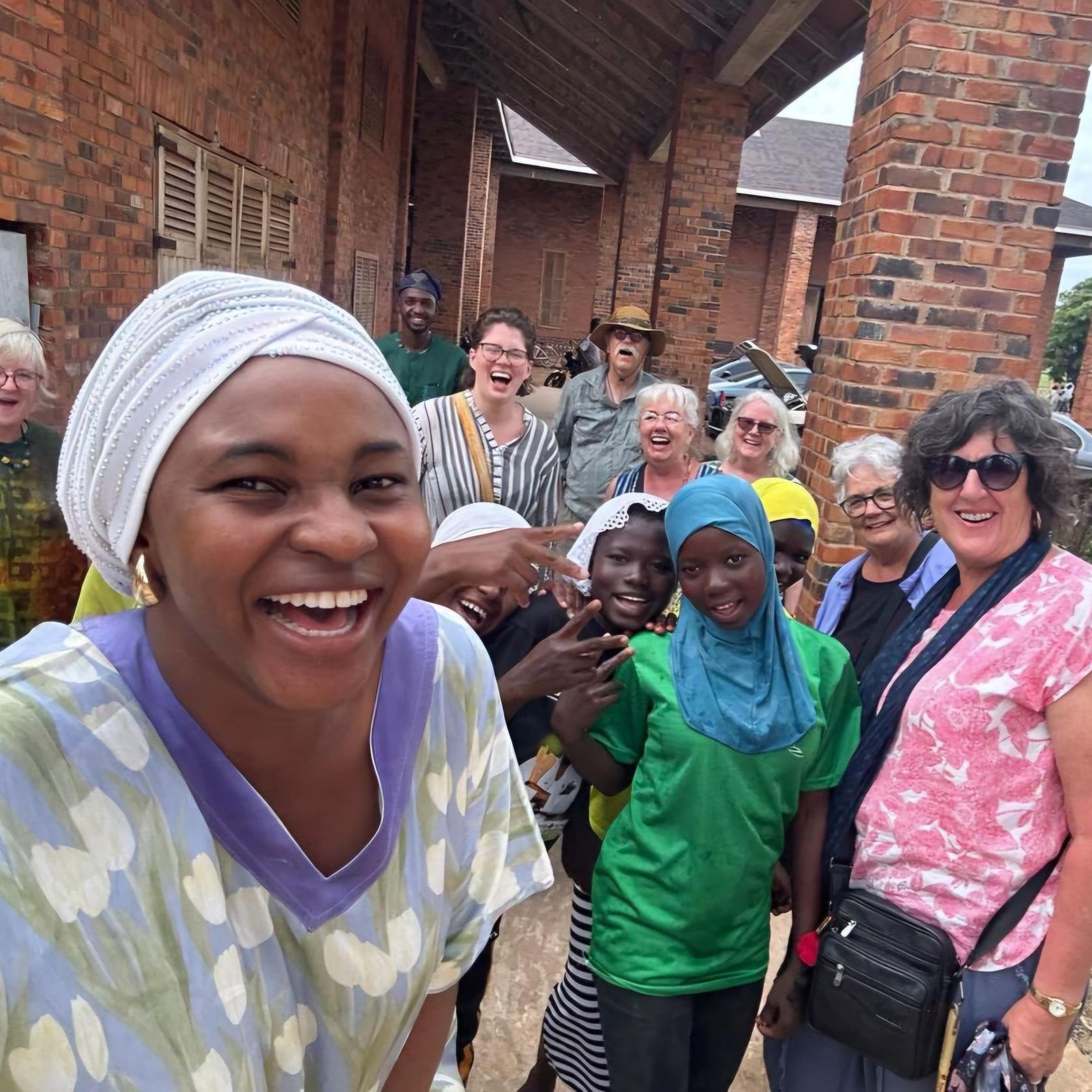
• A better approach – say hello first. Many people enjoy a selfie; ask for a group photo, show them, then ask for a portrait – works a charm
• Try to learn a few local courtesies – always appreciated
Note
• Yellow Fever vaccination is mandatory – carry your certificate with you
• Or a doctor’s certificate for vaccination exemption
________________________________________
Workshops
• Our hosts enjoy seeing what you’ve made – bring a little show and tell
• An apron for batik day can be useful
________________________________________
Food
• Food is an integral part of culture – we are here to try it all
• Group meals are shared, with a range of dishes and local specialties
• In Ghana, food is cooked from scratch using fresh ingredients
• Vegetarian – limited options (red red beans, rice dishes, starches)
o Protein is usually served separately – manageable, but expect repetition
• Vegan – more challenging, but possible (dairy is not widely used)
• Onion / garlic free – difficult to manage
• Wheat free – generally easy
________________________________________
Health
• Yellow Fever inoculation is mandatory for West Africa and Ghana
• Drink only filtered or bottled water – not tap, even for brushing teeth
• Aim for at least 2 litres of water daily
• Visit your doctor or a travel specialist before departure
• Bring required medications and prescriptions
• Menstrual products – pads available, tampons less so
• Bring insect repellent
________________________________________
Money
• Notify your bank before travel (including transit stops)
• Travel cards can be useful – check they work before departure
• Carry a backup card, stored separately
• ATMs – generally available
• Cash – useful as a backup, though exchange rates can vary
• Credit cards – limited acceptance
o Additional fees may apply where accepted
Currency
• Ghana – Cedi
• Benin & Togo – West African CFA Franc
________________________________________
Shopping
• There are treasures to find – it supports the local economy
• Bargaining is standard in markets
• NGOs and social enterprises usually have fixed pricing
________________________________________
Suitcase
• Start with a medium suitcase and bring a soft bag for extra purchases
• Larger cases are harder to manage and fit on the bus
Recommended size
• Medium: 60–70 cm (H) x 40–50 cm (W) x 25–30 cm (D)
• Approx. 24–28" x 16–20" x 10–12"
• Not easy to buy luggage on the road
________________________________________
Weather
• Warm to very warm during the day
• Expect the occasional shower – bring an umbrella
• Rain tends to clear the air and pass quickly
________________________________________
Power
• Ghana – 240 volts, UK-style plug
• Benin & Togo – 240 volts, European plugs
• A universal adaptor is useful
________________________________________
Clothing
• Lightweight, loose layers work well
• 3–4 outfits are usually sufficient
• To respect local customs: skirts or trousers mid-calf or longer; tops not too revealing
• Leave expensive jewellery at home
________________________________________
Shoes
• Comfortable walking shoes (sneakers or strapped sandals)
• Surfaces can be rough – good footing matters
________________________________________
Laundry
• Any 2-night stop is a good opportunity
________________________________________
Fitness
• Frequent stops, getting on and off the minibus
• Walking is part of the experience – often 1–2 hours at a time
• Expect some steps
________________________________________
Begging
• Not encouraged
• Avoid giving sweets or gifts to children
o If you wish to give, we can pass items on to a school
• A smile and conversation go a long way
• There is no pension system in many places – offering a small amount to an elderly or disabled person can be a kind gesture
________________________________________
Tipping
• Tipping is part of the local custom
• Small tips for personal services are appreciated (luggage, room service, laundry)
• Set something aside for your driver and translator
• A guide: around US$2–3 per person, per day
• A group collection at the end works well
________________________________________
Environment
• Step lightly – conserve water and power
• Take rubbish with you where possible
• Say no to plastic
• Bring a cloth carry bag
India
Etiquette
- Be sensitive of people's privacy taking photos in temples, ghats etc
- Taking photos of people - how would you feel with a camera poked into your face? BUT Indian people love a good selfie- so say hello, ask for a selfie, show them and then ask for a photo of them - works a charm.
- Try and pick up a few curtesies in the language of the place you are visiting- it is always appreciated
India is vast, regions are very different and we run a number of tours so you can experience the differences.
Blog Take a look– I’ve talked about India and her various regions a lot over the years.
Workshops Apron might be an idea for Blockprinting and indigo
Food Food is an integral part of culture and we are there to try it all. Generally, with group meals we choose a range of dishes to share and look for local specialties as we go.
In India they cook from scratch using fresh ingredients so keeping track of what goes into your dinner is easy enough. Products like soy milk, manufactured substitute proteins, etc not seen.
Vegetarian? Easy in India
Vegan- little more challenging but possible in India
Chilli free, India not possible, it is like saying don’t breathe to Indian cooks. We can definitely order mild, only a hint of spice.
Onion, garlic free- a challenge to manage
Wheat free- easy in India.
Health Drink only filtered or bottled water- never local supply, even for cleaning your teeth
Check yourself- Drink at least 2 litres of WATER per day. You will feel better for it and less likely to have a funny tummy.
See your Doctor or a Travel Specialist Doctor before you leave home for travel advice
Bring adequate medical supplies to cover your needs and the prescription to verify their use
Menstrual needs- tampons not easy to find. Pads available
Bug spray
Money
KNOW YOUR CARD PIN!!
ATMs everywhere. easy to withdraw funds. BUT you need to know your PIN. TAP is not allowed.
Notify your bank you are going OS and to expect activity in which ever country, possibly transit lounges on the way, too. Otherwise they might flag unusual activity and block your card.
Travel Cards can be good for security of your accounts CHECK before you leave that they actually work. A number of times guests have had issues. www.wise.com cards seem to work well too- a few guests have had them recently.
GOOD to have a backup card hidden in your suitcase, so that if primary card/s don’t work or get lost you have a fall-back card.
ATM– easy to get cash
Cash to exchange- good back up but not always easy to exchange at a good rate. Ask at hotel front desk.
Credit Cards in the developing world few places have the facilities to process credit card transactions
Credit Cards expect an additional fee to cover high processing fees of developing world banks. Not always but it happens
Currency - Indian Rupee
Shopping It happens, there are treasures to find 😊 It helps the local economy.
If there are things you know you might want, for example carpets or spices do some research. How much would an item back home cost? It will give some starting point in your mind.
Bargaining is the general way to make a transaction. Not experienced? Google it and practice, generally most prices are negotiable in the marketplace. NGOs and Social enterprises are generally fixed price.
Suitcase Easier to start with a normal size suitcase and bring a soft bag to carry any extra stuff you acquire rather than a huge suitcase.
Weather At this time of year is warm in the daytime but perhaps evenings and mornings can be cool; a cardigan and socks appreciated. Think layers so you can peel as the day warms up.
Power Power – 240 volts, European adaptor plugs are the most useful.
In India the older larger 3 prong plug rarely seen these days- European 2 prong works usually.
Clothing Lightweight layers of clothing are good. Light, loose layers work well with the climate. Generally, I find 3 or 4 outfits enough, there is always the opportunity to pick up things along the way. Pack a pair of socks and cardigan for the cool of the morning.
To respect local customs, it is best for skirts or trousers to be mid-calf length at least, tops not revealing- cleavage no, mid-drift OK. Check out the older women in saris- a lot of belly, no problem.
A scarf is always good to have to hand. AC cool on bus, temple cover up….
ANY DAY we have a temple, mosque or other religious house mentioned, wear long trousers or skirt, and take a scarf to cover head if necessary. Often these places will lend you a cover up- think polyester sack, so better to be prepared and comfortable.
- Leave your expensive jewellery at home
- Suitcase
Easier to start with a normal size suitcase and bring a soft bag to carry any extra stuff you acquire rather than a huge suitcase - harder to fit on bus.
Recomended size suitcase
Medium Suitcase Typical Size: Between 60-70cm (H) x 40-50cm (W) x 25-30cm (D)
Translates to 24-28" (H) x 16-20" (W) x 10-12" (D).
Not easy to buy a second suitcase at the last minute on the road.
- Shoes Sensible walking shoes such as sneakers or strapped on sandals are the best options. Surfaces are often rough, and you really want your footing stable so you can focus on all the wonderful things everywhere to look at!
Pair of rubber thongs or flip-flops are good – often bathrooms can be slippery when wet.
Laundry Any stop for 2 nights is a good time to send out laundry. Indian laundry is a little luxury- it comes back, washed and ironed. After so many years I have never lost anything.
Fitness We get on and off the minibus every day, multiple times
Bazaars, monuments and just about everywhere BEG to be explored. You need to be able to walk comfortably for an hour or two to explore. Expect some steps.
Begging? Begging is generally not to be encouraged. Giving gifts of pens and lollies to children is encouraging them to learn a begging mentality [if you like to give a gift to children, we can hand it onto a school].
There is no pension in India– a few coins to a very old person or a handicapped person is very kind.
If you love the kids- take time to chat with them, rather than bringing little gifts. Gifts encourage a begging mentality- they don’t see you only what you have. A laugh and a joke- they see a nice person from far away talking to them.
Tipping? it is the local custom so have a pocket full of small change to be ready if you receive a personal service – e.g. bags into or out of hotel, cup of tea through room service, laundry delivery, it is customary to give a tip . Suggest 20-50 rp
If you enjoy the commentary of a guide, a performance, take a photo of someone posing in the street etc it is customary to give them a 100 Rp tip
Set something aside for our driver –they will take us safely and comfortably through the adventure of many roads.
Think the equivalent of US$2 or 3 per person, per day [cost of a cup of coffee back home].
Perhaps have a volunteer from the group organize a thank you at the end of the trip and give this tip directly to the driver.
Step lightly on our environment, be frugal in water use, turn off power switches, take rubbish with you where possible.
Say NO to Plastic!
Please bring a cloth carry bag.
Kyrgyzstan
Etiquette
• Be mindful of people’s privacy when taking photos
• Taking photos of people – how would you feel with a camera in your face?
• A good approach – people often enjoy a selfie; say hello, ask for a group selfie, show them, then ask for a portrait
• Learn a few local courtesies – always appreciated
• When visiting homes or yurts, be respectful of local customs – follow your guide’s lead
________________________________________
Workshops
• Workshops are fully catered – we just need to turn up
• A small personal kit (needle and snips) can be useful
• Hosts often enjoy seeing something you’ve made
Art / Sketch
• A suggested materials list will be provided for sketching tours
________________________________________
Food
• Food is an integral part of culture – we are here to try it all
• Group meals are shared, with a range of dishes and local specialties
• Cooking is generally from scratch using fresh ingredients
• Kyrgyz cuisine is hearty and often meat-based, influenced by nomadic traditions
• Vegetarian / Vegan – limited, especially in rural areas and homestays
o Expect salads, bread, and simple sides
o Consider bringing a protein supplement
• Dairy is widely used (fermented milk, yoghurt, etc.)
• Wheat / gluten – manageable in cities; more limited in remote areas
________________________________________
Health
• Drink only filtered or bottled water – not tap
• Aim for at least 2 litres of water daily
• Some areas are at altitude – take it slowly, stay hydrated
• Visit your doctor or travel specialist before departure
• Bring required medications and prescriptions
• Menstrual products – available in towns, less so in remote areas
________________________________________
Money
• Notify your bank before travel (including transit stops)
• Travel cards can be useful – check they work before departure
• Carry a backup card, stored separately
• ATMs – available in cities and larger towns, limited in remote areas
• Cash – essential outside cities
• Credit cards – accepted in cities, rarely elsewhere
• Know your PIN – tap payments not common
Currency
• Kyrgyz Som
________________________________________
Shopping
• There are treasures to find – felt products, textiles, handicrafts
• It supports the local economy
• Bargaining may occur in markets, but often more relaxed than elsewhere
• Many items are handmade – pricing may reflect the work involved
________________________________________
Suitcase
• Start with a medium suitcase and bring a soft bag for extra purchases
• You’ll need to manage your own luggage at times
• Roads can be rough and access to accommodation uneven – pack so you can lift your bag comfortably
Recommended size
• Medium: 60–70 cm (H) x 40–50 cm (W) x 25–30 cm (D)
• Approx. 24–28" x 16–20" x 10–12"
• Not easy to buy luggage on the road
________________________________________
Weather
• Warm during the day, cooler mornings and evenings
• Mountain weather can change quickly – be prepared
• Cold be snowy – bring warm jacket in case
• Strong sun at altitude – hat and sunscreen important
________________________________________
Power
• 220–240 volts
• European adaptor plugs required
________________________________________
Clothing
• Lightweight layers work well, with some warmer options
• Pack socks, a cardigan, and a warm jacket
• Evenings and higher altitudes can be cool
• Cold be snow even – bring warm jacket
• Modesty: generally relaxed, but practical coverage is useful in rural areas
• A scarf is useful – for warmth, sun, or dust
• Leave expensive jewellery at home
________________________________________
Shoes
• Comfortable walking shoes (sneakers or sturdy sandals)
• Uneven ground, tracks, and rural settings – good footing matters
________________________________________
Laundry
• Any 2-night stop in towns is a good opportunity
• Limited options in remote areas
________________________________________
Fitness
• Frequent stops, getting on and off the minibus
• Walking is part of the experience – often 1–2 hours at a time
• Expect uneven ground, some hills, and altitude considerations
________________________________________
Begging
• Rarely seen
• Avoid giving sweets or gifts to children – better to engage with a smile and a chat
________________________________________
Tipping
• Not common or expected for everyday services
• Restaurants – small tips appreciated in cities
• Set something aside for your driver
• A guide: the equivalent of a coffee per day, per person
• A group collection at the end works well
• Optional, but appreciated
________________________________________
Environment
• Step lightly – conserve water and power
• Take rubbish with you where possible, especially in remote areas
• Say no to plastic
• Bring a cloth carry bag
Laos & Thailand
Etiquette
• Be mindful of people’s privacy when taking photos
• Taking photos of people – how would you feel with a camera in your face?
• Many people enjoy a selfie – say hello, ask for a group selfie, show them, then ask for a portrait – works a charm
• Learn a few local courtesies – always appreciated
• Monks – do not disturb them during rituals
• Monks generally do not interact with women – please be respectful of this boundary
-------------------------
Workshops
Stitch
• Needles and basics supplied, though your own needles can be easier on your hands
• Our hosts love seeing sewing kits and anything you’ve made – embroideries especially
Art / Journal / Sketch
• Your tutor will provide a suggested travelling kit before departure
________________________________________
Food
• Flavours and style differ slightly, but ingredients are familiar
• Food is central to culture – we are here to try it
• Group meals are shared, with a range of dishes and local specialties
• Vietnam: fresh, from-scratch cooking, easy to see what you’re eating
• Vegetarian: possible, though fish sauce is widely used
• Laos: less tofu, more vegetables, fish sauce common
• Vegan: similar challenges
• Onion/garlic-free: difficult
• Wheat and/or dairy-free: manageable in Vietnam
________________________________________
Health
• Drink only filtered or bottled water – never tap, even for brushing teeth
• Aim for at least 2 litres of water daily
• Visit your doctor or travel specialist before departure
• Bring required medications and prescriptions
• Menstrual products – pads available, tampons harder to find
• Bring insect repellent
________________________________________
Money
• Notify your bank before travel (including transit stops)
• Travel cards can be useful – check they work before departure
• Carry a backup card, stored separately
• ATMs are widely available
• Cash – useful backup, exchange rates vary (ask hotel front desk)
• Credit cards – limited use, fees may apply
• KNOW YOUR CARD PIN – tap not used
Currency
• Vietnamese Dong
• Laotian Kip
• Thai Baht
________________________________________
Shopping
• There are treasures to find – and it supports the local economy
• Bargaining is common in markets – prices are negotiable
• NGOs and social enterprises usually have fixed prices
________________________________________
Suitcase
• Start with a medium suitcase and bring a soft bag for extra purchases
• Large suitcases are harder to manage on the bus
Recommended size
• Medium: 60–70 cm (H) x 40–50 cm (W) x 25–30 cm (D)
• Approx. 24–28" x 16–20" x 10–12"
• Buying luggage on the road is not easy
________________________________________
Weather
• Warm days, cooler mornings and evenings
• Light rain possible – bring an umbrella or light rain jacket
• Laos: early mornings on the boat can be cold – bring a warm layer
________________________________________
Power
• 240 volts
• European 2-prong adaptor works most often
Officially Thailand
Plug Types Used: Type A (two flat pins), Type B (two flat pins + ground), Type C (two round pins), and Type O (three round pins).
Best Adapter: A universal travel adapter that covers these types is ideal.
Officially Laos
240 Volt
and a mix of plugs - bring a universal adaptor
________________________________________
Clothing
• Lightweight, loose layers work best
• 3–4 outfits are usually sufficient
• Modesty: skirts/trousers mid-calf or longer, tops not too revealing
• Pack socks and a cardigan for cooler mornings
• Leave expensive jewellery at home
________________________________________
Shoes
• Comfortable walking shoes (sneakers or strapped sandals)
• Surfaces can be uneven – stability matters
________________________________________
Laundry
• Any 2-night stop is a good opportunity
________________________________________
Fitness
• Frequent stops, getting on/off the minibus
• Walking required – often 1–2 hours at a time
• Expect steps and uneven ground
________________________________________
Begging
• Best not to encourage
• Avoid giving sweets or gifts to children
• If you wish to give, we can pass items to a school
• A few coins for elderly or disabled people is appropriate
________________________________________
Tipping
• Customary – carry small change
• Small services (bags, tea, laundry) – small tips appreciated
• Guides, performers, photos – tip as you feel appropriate
• Set something aside for our translator and driver
• Rough guide: the equivalent of a coffee per day, per person
• A group collection at the end works well
________________________________________
Environment
• Be mindful – conserve water and power
• Take rubbish with you where possible
• Say no to plastic
• Bring a cloth carry bag
Malaysia
Etiquette
• Be mindful of people’s privacy when taking photos
• Taking photos of people – how would you feel with a camera in your face?
• A good approach – say hello first; if it feels right, ask for a photo
• Learn a few local courtesies – always appreciated
• Dress modestly when visiting mosques and religious sites (shoulders and knees covered)
• Shoes off when entering homes and many religious spaces
________________________________________
Workshops
• Small sewing kit – needles are supplied, though your own may suit you better
• Our hosts enjoy seeing your sewing kit and anything you’ve made
Art / Sketch
• A suggested materials list will be provided for sketching tours
________________________________________
Food
• Food is central to culture – we are here to try it
• Group meals are shared, with a range of dishes and local specialties
• A mix of Malay, Chinese and Indian influences – lots of variety
• Vegetarian – generally easy, especially in towns and cities
• Vegan – possible with some awareness (fish sauce, shrimp paste used in some dishes)
• Onion/garlic-free – can be challenging
• Wheat-free – manageable; rice is a staple
• Dairy-free – easy; dairy is not central to most meals
• Breakfast varies – often savoury (rice, noodles), not just bread
________________________________________
Power
• 240 volts
• UK-style 3-pin plug (Type G)
________________________________________
Health
• Drink filtered or bottled water – avoid tap water for drinking
• Aim for at least 2 litres of water daily
• Visit your doctor or travel specialist before departure
• Bring required medications and prescriptions
• Menstrual products – widely available
• Bring insect repellent and sunscreen
________________________________________
Money
• Notify your bank before travel (including transit stops)
• Travel cards can be useful – check they work before departure
• Carry a backup card, stored separately
• ATMs are widely available
• Cash – useful for markets and smaller vendors
• Credit cards – widely accepted in cities, less so in smaller places
Currency
• Malaysian Ringgit
________________________________________
Shopping
• There are treasures to find – textiles, batik, crafts, local products
• Fixed pricing is common in shops and malls
• Bargaining may happen in markets, but less intense than in some countries
________________________________________
Suitcase
• Start with a medium suitcase and bring a soft bag for extra purchases
• Large suitcases are harder to manage
• Buying luggage on the road is possible in cities, but not always convenient
Recommended size
• Medium: 60–70 cm (H) x 40–50 cm (W) x 25–30 cm (D)
• Approx. 24–28" x 16–20" x 10–12"
________________________________________
Weather
• Warm and humid year-round
• Expect heat and humidity most days
• Occasional tropical rain – an umbrella or light rain jacket is useful
________________________________________
Clothing
• Lightweight, breathable layers work best
• 3–4 outfits are usually sufficient
• Modesty: generally relaxed, but dress more conservatively in rural areas and religious sites
• A light scarf is useful for sun, air conditioning, or mosque visits
• Air conditioning can be cold indoors – a light layer helps
• Leave expensive jewellery at home
________________________________________
Shoes
• Comfortable walking shoes (sneakers or sandals)
• Easy to slip on/off shoes are useful for temple and home visits
________________________________________
Laundry
• Any 2-night stop is a good opportunity
________________________________________
Fitness
• Frequent stops, getting on/off transport
• Walking required – often 1–2 hours at a time
• Heat and humidity can make walking feel more demanding
________________________________________
Begging
• Not a major feature, but best not to encourage
• Avoid giving sweets or gifts to children
• If you wish to give, we can direct it appropriately
________________________________________
Tipping
• Not expected, but appreciated
• Small services (bags, housekeeping) – small tips welcome
• Guides and drivers – tip as you feel appropriate
• A small group contribution at the end for driver/guide works well
________________________________________
Environment
• Step lightly – conserve water and power
• Take rubbish with you where possible
• Say no to plastic where you can
• Bring a cloth carry bag
Mexico
Etiquette
• Rely on your host – in some places photography is an absolute NO!
• In other areas, be mindful of people’s privacy – scenery is generally fine
• Taking photos of people – perhaps start with a selfie; say hello, ask, show them, then take a portrait – works a charm
• Learn a few local courtesies – always appreciated
________________________________________
Workshops
Stitch
• Needles and basics supplied, though your own needles can be easier on your hands
• Our hosts love seeing sewing kits and anything you’ve made – embroideries especially
Art / Journal / Sketch
• Your tutor will provide a suggested travelling kit before departure
________________________________________
Food
• Food is central to culture – we are here to try it
• Group meals are shared, with a range of dishes and local specialties
• Cooking is from scratch using fresh ingredients, so it’s easier to track what you’re eating
• Vegetarian – possible in more touristed areas; more challenging during home visits
• Vegan – similar considerations
• Onion/garlic-free – difficult to manage
• Wheat-free – manageable in Mexico where corn tortillas are available
________________________________________
Health
• Drink only filtered or bottled water – never tap, even for brushing teeth
• Aim for at least 2 litres of water daily
• Visit your doctor or travel specialist before departure
• Bring required medications and prescriptions
• Menstrual products – pads available, tampons harder to find
• Bring insect repellent
________________________________________
Money
• Notify your bank before travel (including transit stops)
• Travel cards can be useful – check they work before departure
• Carry a backup card, stored separately
• ATMs are widely available
• Cash – useful backup, exchange rates vary (ask hotel front desk)
• Credit cards – not always accepted
• Additional fees may apply where cards are used
• KNOW YOUR CARD PIN
Currency
• Mexican Peso
________________________________________
Shopping
• There are treasures to find – and it supports the local economy
• Bargaining is common in markets – prices are negotiable
• NGOs and social enterprises usually have fixed prices
________________________________________
Suitcase
• Start with a medium suitcase and bring a soft bag for extra purchases
• Large suitcases are harder to manage and store on the bus
• Buying luggage on the road is not easy
Recommended size
• Medium: 60–70 cm (H) x 40–50 cm (W) x 25–30 cm (D)
• Approx. 24–28" x 16–20" x 10–12"
________________________________________
Weather
• Varies by region
• Yucatán – humid and warm
• Oaxaca – warm days, cooler mornings and evenings; a cardigan and socks appreciated
• Chiapas – can be cool; bring a jacket, and a light rain layer
________________________________________
Power
• 110V
• US-style adaptor plugs
________________________________________
Clothing
• Lightweight, loose layers work best
• 3–4 outfits are usually sufficient – there’s always the opportunity to pick up something along the way
• Pack socks and a cardigan for cooler mornings
• Leave expensive jewellery at home
________________________________________
Shoes
• Comfortable walking shoes (sneakers or strapped sandals)
• Surfaces can be uneven – stability matters
________________________________________
Laundry
• Any 2-night stop is a good opportunity
________________________________________
Fitness
• Frequent stops, getting on/off the minibus
• Walking required – often 1–2 hours at a time
• Expect steps and uneven ground
________________________________________
Begging
• Best not to encourage
• Avoid giving sweets or gifts to children
• If you wish to give, we can pass items to a school
• A few coins for elderly or disabled people is a kind gesture
________________________________________
Tipping
• If you enjoy a guide’s commentary, a performance, or take someone’s photo, a tip is appreciated
• Set something aside for your translator and driver
• Rough guide: the equivalent of a coffee per day, per person
• A group collection at the end works well
________________________________________
Environment
• Step lightly – conserve water and power
• Take rubbish with you where possible
• Say no to plastic
• Bring a cloth carry bag
Morocco & Andalusia, Spain
Etiquette
• Be mindful of people’s privacy when taking photos
• Taking photos of people – how would you feel with a camera in your face?
• A good approach – say hello, perhaps ask for a selfie, show them, then ask for a portrait – works well
• Learn a few local courtesies – always appreciated
• Dress modestly in Morocco, particularly in smaller towns and religious areas
________________________________________
Workshops
• Small sewing kit – needles are supplied, though your own may suit you better
• Our hosts love to look at your sewing kit and anything you’ve made
Art / Sketch
• A suggested materials list will be provided for sketching tours
________________________________________
Food
• Food is an integral part of culture – we are here to try it all
• Group meals are shared, with a range of dishes and local specialties
• Morocco – cooking is from scratch using fresh ingredients, so it’s easier to know what you’re eating
• Spain – regional and varied; meals may be later than you’re used to
• Vegetarian – Morocco can feel limited; expect plenty of vegetables, consider bringing a protein supplement (nuts are easy to find)
o Spain – more options, especially in towns and cities
• Vegan – Morocco: vegetable tagines are suitable; Spain: possible with some awareness
• Onion/garlic-free – challenging in both
• Wheat-free – manageable; avoid breads in Morocco, Spain improving in awareness
• Dairy-free – manageable, though alternatives are limited in Morocco
• Breakfast often bread-based – you may wish to bring an alternative
________________________________________
Power
• 230–240 volts
• European adaptor plugs required
________________________________________
Health
• Morocco – drink only filtered or bottled water, not tap (even for brushing teeth)
• Spain – tap water generally safe, but bottled is always an option
• Aim for at least 2 litres of water daily
• Visit your doctor or travel specialist before departure
• Bring required medications and prescriptions
• Menstrual products – available in Spain, more limited in Morocco (pads easier to find than tampons)
• Bring insect repellent and sunscreen
________________________________________
Money
• Notify your bank before travel (including transit stops)
• Travel cards can be useful – check they work before departure
• Carry a backup card, stored separately
• ATMs – widely available in both countries
• Cash – essential in Morocco, useful in Spain
• Credit cards – widely accepted in Spain; less so in Morocco
• Additional fees may apply
Currency
• Morocco – Moroccan Dirham
• Spain – Euro
________________________________________
Shopping
• There are treasures to find – textiles, ceramics, leather, spices
• It supports the local economy
• Morocco – bargaining is standard in markets
• Spain – mostly fixed pricing, occasional markets
• If there are specific items you’re after, a little research helps
________________________________________
Suitcase
• Start with a medium suitcase and bring a soft bag for extra purchases
• You will need to manage your own luggage throughout
• Spain – particularly on and off trains and through stations
• Morocco – hotels, riads, and uneven streets can involve carrying bags
• Pack so you can lift and move your suitcase comfortably
Recommended size
• Medium: 60–70 cm (H) x 40–50 cm (W) x 25–30 cm (D)
• Approx. 24–28" x 16–20" x 10–12"
________________________________________
Weather
• Generally warm, though mornings and evenings can be cool
• Morocco can vary year to year – from cool conditions to very warm, even extremes
• Layers are essential
________________________________________
Clothing
• Lightweight, loose layers work best
• 3–4 outfits are usually sufficient
• Pack socks and a cardigan for cooler mornings
• A warm jacket is useful
• Morocco – dress modestly (mid-calf or longer, tops not too revealing)
• Spain – more relaxed, though practical comfort still key
• A scarf is very useful – warmth, sun, air conditioning, or covering when needed
• Leave expensive jewellery at home
________________________________________
Shoes
• Comfortable walking shoes (sneakers or strapped sandals)
• Surfaces can be uneven – cobbles, medinas, stations – good footing matters
________________________________________
Laundry
• Any 2-night stop is a good opportunity
________________________________________
Fitness
• Frequent stops, getting on and off transport
• Managing your own luggage
• Walking is part of the experience – often 1–2 hours at a time
• Expect steps, uneven ground, and busy streets
________________________________________
Begging
• Best not to encourage
• Avoid giving sweets or gifts to children
• If you wish to give, we can pass items to a school or organisation
• In Morocco, a small gesture to an elderly or disabled person can be appropriate
________________________________________
Tipping
• Morocco – customary; carry small change
• Spain – not expected, but appreciated
• Small services (bags, tea, laundry) – tip where appropriate
• Guides, performers, photos – tip as you feel
• Set something aside for your driver
• A good guide: the equivalent of a coffee per day, per person
• A group collection at the end works well
________________________________________
Environment
• Step lightly – conserve water and power
• Take rubbish with you where possible
• Say no to plastic
• Bring a cloth carry bag
Nepal
Etiquette
Be mindful of privacy, especially around temples, stupas and cremation areas. Always pause before taking photos.
Photos of people — how would you feel with a camera in your face? A smile and a simple “Namaste” goes a long way. Ask first, show them the photo — it often turns into a shared moment.
A few local words are always appreciated. “Namaste” and “Dhanyabad” (thank you) will take you far.
________________________________________
Food
Food is part of the experience — we try things as we go. Group meals are usually shared, with a mix of local dishes.
Meals are freshly prepared using seasonal ingredients.
Vegetarian — easy.
Vegan — possible, with a bit of navigation.
Mild — yes. Completely chilli-free — unlikely, but we can keep things gentle.
________________________________________
Health
Drink only filtered or bottled water — even for brushing teeth.
Keep your water intake up — aim for at least 2 litres a day. It makes all the difference.
Visit your doctor or travel clinic before departure.
Bring any medications you need, along with prescriptions.
Menstrual products — pads are available, tampons less so.
Bug spray is useful.
________________________________________
Money
KNOW YOUR CARD PIN.
ATMs are widely available in cities and towns. Cash is still king.
Let your bank know you’re travelling — including transit stops.
Travel cards can work well — Wise cards have been reliable for many travellers.
Have a backup card tucked away separately.
Cash to exchange is a useful backup, though rates vary.
Credit cards are accepted in some places, often with a surcharge.
Currency — Nepalese Rupee (NPR)
________________________________________
Shopping
There are treasures everywhere — textiles, crafts, small unexpected finds.
If you have something specific in mind, do a little homework beforehand.
Bargaining is common in markets. Small shops, NGOs and social enterprises are usually fixed price.
________________________________________
Suitcase
A medium suitcase works best, with a soft fold-up bag for extras.
Easier than managing a large case on and off buses.
Recommended size
60–70cm high (24–28”)
________________________________________
Weather
Warm days, cooler mornings and evenings — layers are key.
A light cardigan and socks are welcome early and late in the day.
________________________________________
Power
240 volts.
European 2-pin plugs generally work.
________________________________________
Clothing
Lightweight, loose layers are ideal.
3–4 outfits are plenty — you’ll likely pick things up along the way.
Dress with respect — mid-calf skirts or trousers, covered shoulders.
A scarf is essential — for warmth, temples, and over-enthusiastic air-conditioning.
For temples and religious sites — long trousers or skirts, shoulders covered.
Leave expensive jewellery at home.
________________________________________
Shoes
Comfortable walking shoes or sandals with good support.
Surfaces can be uneven — stability matters.
Flip-flops are useful for bathrooms.
________________________________________
Laundry
Any 2-night stop is a good chance to send out washing.
Laundry services are simple and reliable — and it comes back neatly folded.
________________________________________
Fitness
We’re on and off the bus, walking through towns, markets and sites most days.
Being comfortable walking for an hour or two makes the experience much more enjoyable.
Expect steps here and there.
________________________________________
Begging
Best not to encourage it.
If you wish to give, small coins to elderly or disabled people is thoughtful.
With children — a smile, a chat, a shared moment is far more valuable than gifts.
________________________________________
Tipping
Tipping is part of daily life.
Small tips for personal service — bags, tea, laundry.
A little more for guides, performers, or if you take someone’s photo.
We’ll also contribute as a group to thank our driver at the end of the journey.
________________________________________
Environment
Step lightly.
Use water thoughtfully, switch off power, carry your rubbish where possible.
Say no to plastic — bring a cloth bag.
Romania
Etiquette
• Be mindful of people’s privacy, especially in churches and religious spaces
• Taking photos of people – how would you feel with a camera in your face?
• A good approach – say hello first; if it feels right, ask for a photo
• Learn a few local courtesies – always appreciated
________________________________________
Workshops
• Small sewing kit – bring a few needles and scissors
• Our hosts love to look at your sewing kit and anything you’ve made
Art / Sketch
• A suggested materials list will be provided for sketching tours
________________________________________
Food
• Food is an integral part of culture – we are here to try it
• Group meals are shared, with a range of dishes and local specialties
• Cooking is often from scratch using fresh ingredients, so it’s easier to know what you’re eating
• Vegetarian – quite possible; the Romanian Orthodox calendar includes many fasting (plant-based) days, so options do exist
• Vegan – more challenging; butter, cheese and eggs are widely used
________________________________________
Health
• Drink at least 2 litres of water per day – you’ll feel better for it
• See your doctor or a travel specialist before departure
• Bring any required medications, along with prescriptions
________________________________________
Money
• Notify your bank before travel (including transit stops)
• Travel cards can be useful – check they work before departure
• Carry a backup card, stored separately
• ATMs are easy to find
• Cash – useful to have on hand
• Credit cards – widely accepted
________________________________________
Shopping
• There are treasures to find – and it supports the local economy
• If there’s something specific you’re after (textiles, ceramics), do a little research beforehand
________________________________________
Suitcase
• Start with a medium suitcase and bring a soft bag for extra purchases
• You’ll be managing your own luggage, so keep it practical
________________________________________
Weather
• Warm during the day, cooler in the mornings and evenings
• A cardigan and socks are often appreciated
________________________________________
Power
• 230–240 volts
• European adaptor plugs required
________________________________________
Clothing
• Lightweight layers work well
• 3–4 outfits are usually enough
• Pack socks and a cardigan for cooler mornings
• A light jacket can be useful
• Leave expensive jewellery at home
________________________________________
Shoes
• Comfortable walking shoes (sneakers or strapped sandals)
• Surfaces can be uneven – good footing makes all the difference
________________________________________
Laundry
• Any 2-night stop is a good opportunity
________________________________________
Fitness
• We get on and off the minibus multiple times each day
• Walking is part of the experience – often 1–2 hours at a time
• Expect some steps and uneven ground
________________________________________
Begging
• Best not to encourage
• Avoid giving sweets or gifts to children
• If you wish to give something, we can pass it on to a school
• A small gesture to an elderly or disabled person can be appropriate
________________________________________
Tipping
• Customary in some situations
• If you enjoy a guide, performer, or take a photo of someone posing, a small tip is appreciated
• Set something aside for your driver
• A good guide is the equivalent of a coffee per day, per person
• A group collection at the end works well
________________________________________
Environment
• Step lightly – conserve water and power
• Take rubbish with you where possible
• Say no to plastic
• Bring a cloth carry bag
Sri Lanka
Etiquette
• Be mindful of people’s privacy, especially in temples
• Taking photos of people – how would you feel with a camera in your face?
• A better approach – say hello first. Many people enjoy a selfie; ask, show them, then ask for a portrait – works a charm
• Learn a few local courtesies – always appreciated
________________________________________
Food
• Food is an integral part of culture – we are here to try it all
• Group meals are shared, with a range of dishes and local specialties
• In Sri Lanka, food is cooked from scratch using fresh ingredients
• Processed substitutes (soy milk, alternative proteins, etc.) are not common
• Vegetarian – available, though somewhat limited
• Chilli free – a challenge; we can request mild, but expect some spice
• Onion / garlic free – difficult to manage
• Wheat free – generally easy
________________________________________
Health
• Drink only filtered or bottled water – not tap, even for brushing teeth
• Aim for at least 2 litres of water daily
• Visit your doctor or a travel specialist before departure
• Bring required medications and prescriptions
• Menstrual products – pads available, tampons less so
• Bring insect repellent
________________________________________
Money
• Know your card PIN – essential
• ATMs are widely available – easy to withdraw cash
• Tap payments are not always accepted
• Notify your bank before travel (including transit stops)
• Travel cards can be useful – check they work before departure (Wise cards often reliable)
• Carry a backup card, stored separately
• Cash – useful as a backup; exchange rates can vary
• Credit cards – accepted in some places, often with added fees
Currency
• Sri Lankan Rupee
________________________________________
Shopping
• There are treasures to find – it supports the local economy
• If you have specific items in mind (spices, textiles), a little research helps
• Bargaining is common in markets
• NGOs and social enterprises usually have fixed pricing
________________________________________
Suitcase
• Start with a medium suitcase and bring a soft bag for extra purchases
• Larger cases are harder to manage and fit on the bus
Recommended size
• Medium: 60–70 cm (H) x 40–50 cm (W) x 25–30 cm (D)
• Approx. 24–28" x 16–20" x 10–12"
• Not easy to buy luggage on the road
________________________________________
Weather
• Warm during the day, with cooler mornings and evenings
• Layering works well
________________________________________
Power
• 240 volts
• British and European plugs both used
• A universal adaptor is recommended
________________________________________
Clothing
• Lightweight, loose layers work well
• 3–4 outfits are usually enough
• Pack socks and a cardigan for cooler mornings
• A scarf is always useful (air-conditioning, sun, temple visits)
• To respect local customs: skirts or trousers mid-calf or longer; tops not too revealing
• Note – midriff is generally acceptable; cleavage is not
• For temples and religious sites:
o Long trousers or skirt
o Scarf for covering shoulders or head if required
o Cover-ups may be provided, but not always comfortable – best to be prepared
• Leave expensive jewellery at home
________________________________________
Shoes
• Comfortable walking shoes (sneakers or strapped sandals)
• Surfaces can be uneven
• Flip-flops or rubber sandals are useful – bathrooms can be slippery
________________________________________
Laundry
• Any 2-night stop is a good opportunity
• Laundry services are excellent – often returned washed and ironed
________________________________________
Fitness
• Frequent stops, getting on and off the minibus
• Walking is part of the experience – often 1–2 hours at a time
• Expect some steps
________________________________________
Begging
• Not encouraged
• Avoid giving sweets or gifts to children
o If you wish to give, we can pass items to a school
• Take time to talk and engage – it creates a better connection
• There is no pension system – offering a small amount to an elderly or disabled person can be a kind gesture
________________________________________
Tipping
• Tipping is part of the local custom
• Small tips for personal services are appreciated (luggage, room service, laundry)
o Around 500 LKR is a useful guide
• Set something aside for your driver
• A guide: around US$2–3 per person, per day
• A group collection at the end works well
________________________________________
Environment
• Step lightly – conserve water and power
• Take rubbish with you where possible
• Say no to plastic
• Bring a cloth carry bag
Tunisia
Etiquette
• Be mindful of people’s privacy when taking photos
• Taking photos of people – how would you feel with a camera in your face?
• A good approach – say hello first; if it feels right, ask for a photo
• In some areas people are happy to engage, in others more reserved – read the moment
• Learn a few local courtesies – always appreciated
• Dress modestly, particularly in smaller towns and religious sites
________________________________________
Workshops
• Small sewing kit – needles are supplied, though your own may suit you better
• Our hosts enjoy seeing your sewing kit and anything you’ve made
Art / Sketch
• A suggested materials list will be provided for sketching tours
________________________________________
Food
• Food is central to culture – we are here to try it
• Group meals are shared, with a range of dishes and local specialties
• Cooking is from scratch using fresh ingredients
• Vegetarian – possible, though can feel limited; expect plenty of vegetables, eggs, and breads
o Larger towns offer more variety
• Vegan – more challenging; some vegetable-based dishes work
• Onion/garlic-free – difficult to manage
• Wheat-free – more challenging; bread is central to most meals
• Dairy-free – manageable, though alternatives are limited
• Breakfast is often bread-based – you may wish to bring an alternative
________________________________________
Power
• 230–240 volts
• European adaptor plugs are most useful
________________________________________
Health
• Drink only filtered or bottled water – never tap, even for brushing teeth
• Aim for at least 2 litres of water daily
• Visit your doctor or travel specialist before departure
• Bring required medications and prescriptions
• Menstrual products – available in cities, less so in smaller towns
• Bring insect repellent and sunscreen
________________________________________
Money
• Notify your bank before travel (including transit stops)
• Travel cards can be useful – check they work before departure
• Carry a backup card, stored separately
• ATMs are widely available in towns and cities
• Cash – useful, especially in smaller places
• Credit cards – accepted in larger hotels/restaurants, less so elsewhere
• Additional fees may apply
Currency
• Tunisian Dinar
________________________________________
Shopping
• There are treasures to find – and it supports the local economy
• If you’re after specific items (carpets, ceramics, spices), do some research beforehand
• Bargaining is standard in souks – prices are negotiable
• Artisan shops and cooperatives may have fixed prices
________________________________________
Suitcase
• Start with a medium suitcase and bring a soft bag for extra purchases
• Large suitcases are harder to manage
• Buying luggage on the road is not easy
Recommended size
• Medium: 60–70 cm (H) x 40–50 cm (W) x 25–30 cm (D)
• Approx. 24–28" x 16–20" x 10–12"
________________________________________
Weather
• Warm days, cooler mornings and evenings – layers are useful
• Can vary by region – coastal areas milder, inland/desert areas more extreme
• Come prepared for variation
________________________________________
Clothing
• Lightweight, loose layers work best
• 3–4 outfits are usually sufficient
• Pack socks and a cardigan for cooler mornings
• A light jacket is useful
• Modesty: skirts/trousers mid-calf or longer, tops not too revealing
• A scarf is useful – for sun, warmth, or visiting religious sites
• Leave expensive jewellery at home
________________________________________
Shoes
• Comfortable walking shoes (sneakers or strapped sandals)
• Surfaces can be uneven – especially in medinas and archaeological sites
________________________________________
Laundry
• Any 2-night stop is a good opportunity
________________________________________
Fitness
• Frequent stops, getting on/off the minibus
• Walking required – often 1–2 hours at a time
• Expect steps, uneven ground, and cobbled streets
________________________________________
Begging
• Best not to encourage
• Avoid giving sweets or gifts to children
• If you wish to give, we can pass items to a school or local organisation
• A small gesture to elderly or disabled people can be appropriate
________________________________________
Tipping
• Customary – carry small change
• Small services (bags, tea, laundry) – small amounts appreciated
• Guides, performers, photos – tip as you feel appropriate
• Set something aside for your driver
• Rough guide: the equivalent of a coffee per day, per person
• A group collection at the end works well
________________________________________
Environment
• Step lightly – conserve water and power
• Take rubbish with you where possible
• Say no to plastic
• Bring a cloth carry bag
Türkiye
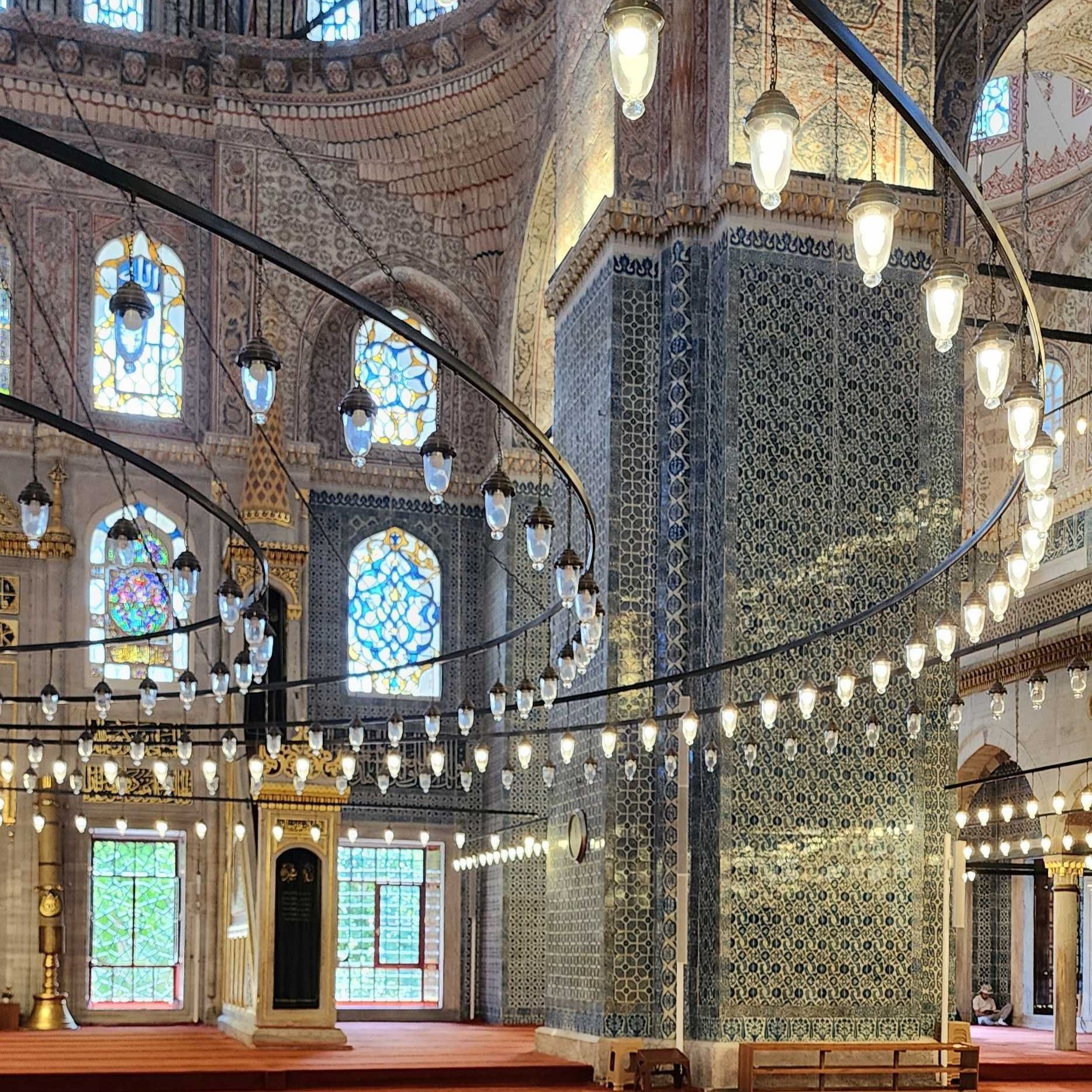
Etiquette
• Be mindful of people’s privacy when taking photos
• Taking photos of people – how would you feel with a camera in your face?
• A good approach – say hello, perhaps ask for a selfie, show them, then ask for a portrait
• Learn a few local courtesies – always appreciated
• Dress modestly when visiting mosques (shoulders and knees covered; scarf for women when required)
________________________________________
Workshops
• Materials list will be supplied by your tutor – see webpage
________________________________________
Food
• Food is an integral part of culture – we are here to try it all
• Group meals are shared, with a range of dishes and local specialties
• In Türkiye, food is often cooked from scratch using fresh ingredients, so it’s easier to know what you’re eating
• Vegetarian – plenty of options, even in this meat-loving culture
• Vegan – more challenging, but possible
• Onion/garlic-free – difficult to manage
• Wheat-free – manageable if you avoid breads and pastries
________________________________________
Health
• Bottled or filtered water is the safest option
• Istanbul has a good municipal water supply and promotes drinking tap water to reduce plastic use
o Some travellers are comfortable with this, others prefer bottled – make the call that suits you
• Aim for at least 2 litres of water daily
• Visit your doctor or travel specialist before departure
• Bring required medications and prescriptions
• Menstrual products – pads are available; tampons less so
• Bring insect repellent and sunscreen
________________________________________
Money
• Notify your bank before travel (including transit stops)
• Travel cards can be useful – check they work before departure
• Carry a backup card, stored separately
• ATMs – easy to access
• Cash – useful for markets and smaller purchases
• Credit cards – widely accepted in cities, less so in smaller places
• Additional fees may apply
Currency
• Turkish Lira
________________________________________
Shopping
• There are treasures to find – textiles, ceramics, spices, carpets
• It supports the local economy
• Bargaining is common in markets and bazaars
• Shops, NGOs and social enterprises may have fixed pricing
• If there’s something specific you’re after, a little research helps
________________________________________
Suitcase
• Start with a medium suitcase and bring a soft bag for extra purchases
• You’ll be managing your own luggage at times – keep it practical
Recommended size
• Medium: 60–70 cm (H) x 40–50 cm (W) x 25–30 cm (D)
• Approx. 24–28" x 16–20" x 10–12"
• Not always easy to buy luggage on the road
________________________________________
Weather
• Warm during the day, cooler mornings and evenings
• A cardigan and socks are often appreciated
________________________________________
Power
• 230–240 volts
• European adaptor plugs required
________________________________________
Clothing
• Lightweight, loose layers work well
• 3–4 outfits are usually sufficient
• Pack socks and a cardigan for cooler mornings
• For mosque visits – long trousers or skirt, modest top, and a scarf
o Some sites provide coverings, but bringing your own is more comfortable
• Leave expensive jewellery at home
________________________________________
Shoes
• Comfortable walking shoes (sneakers or strapped sandals)
• Surfaces can be uneven – good footing makes all the difference
________________________________________
Fitness
• Frequent use of tram, bus, ferry, funicular – on and off throughout the day
• Walking is part of the experience – often 1–2 hours at a time
• Expect steps, hills, and uneven ground
________________________________________
Begging
• Best not to encourage
• Avoid giving sweets or gifts to children
• If you wish to give, we can pass items to a school
• A small gesture to an elderly or disabled person can be appropriate
________________________________________
Tipping
• Around 10% in restaurants if you’ve enjoyed the meal
• Guides, performers, or photos – a small tip is appreciated
o Rough guide: 100–200 lira depending on the situation
________________________________________
Environment
• Step lightly – conserve water and power
• Take rubbish with you where possible
• Say no to plastic
• Bring a cloth carry bag
Uzbekistan
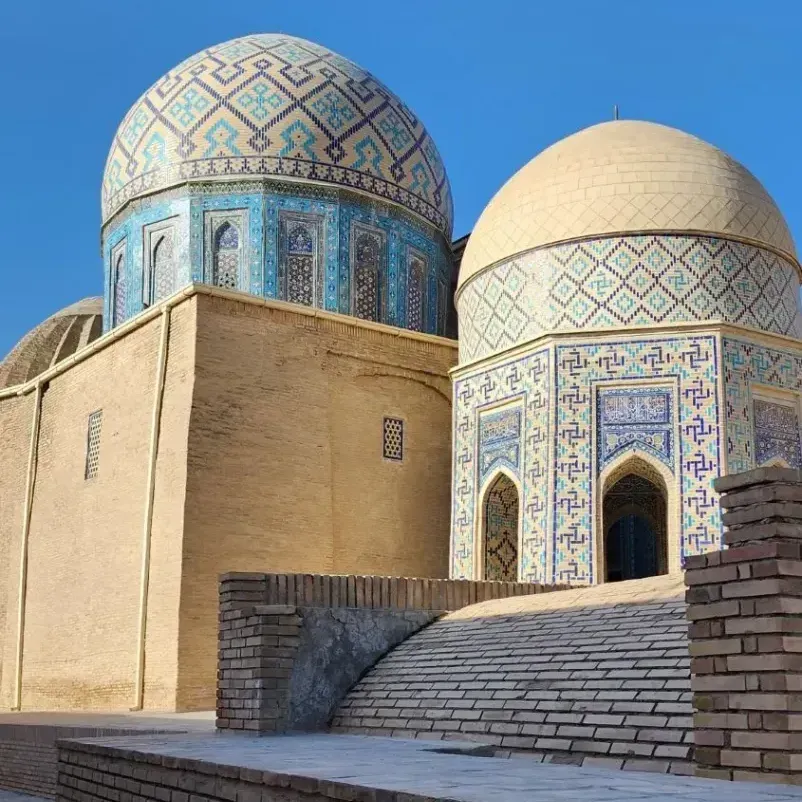
Etiquette
• Be mindful of people’s privacy when taking photos
• Taking photos of people – how would you feel with a camera in your face?
• A good approach – people often enjoy a selfie; say hello, ask for a group selfie, show them, then ask for a portrait
• Learn a few local courtesies – always appreciated
________________________________________
Workshops
• Workshops are fully catered – we just need to turn up
• A small personal kit (needle and snips) can be useful
• Hosts often enjoy seeing something you’ve made
Art / Sketch
• A suggested materials list will be provided for sketching tours
________________________________________
Food
• Food is an integral part of culture – we are here to try it all
• Group meals are shared, with a range of dishes and local specialties
• Cooking is generally from scratch using fresh ingredients
• Uzbek cuisine is rich and meat-based
• Vegetarian / Vegan – very limited, especially outside major cities and in homes
o Expect salads, bread, and sides
o Consider bringing a protein supplement
• Dried fruits and nuts are plentiful in markets
• Wheat / gluten – manageable in cities; more limited on road days (plov, somsa common)
• Dairy – relatively easy to avoid
________________________________________
Health
• Drink only filtered or bottled water – not tap, even for brushing teeth
• Aim for at least 2 litres of water daily
• Visit your doctor or travel specialist before departure
• Bring required medications and prescriptions
• Menstrual products – pads available, tampons less so
________________________________________
Money
• Notify your bank before travel (including transit stops)
• Travel cards can be useful – check they work before departure (Wise generally reliable)
• Carry a backup card, stored separately
• ATMs – widely available and the easiest way to access cash
• Know your PIN – tap payments are not common
• Cash to exchange – USD easiest; other currencies less so
• Credit cards – not widely accepted
• Maestro and American Express generally not accepted
Currency
• Uzbek Som
________________________________________
Shopping
• There are treasures to find – textiles, ceramics, suzani, spices
• It supports the local economy
• Bargaining is standard in markets
• NGOs and social enterprises usually have fixed pricing
• If you’re after specific items, a little research helps
________________________________________
Suitcase
• Start with a medium suitcase and bring a soft bag for extra purchases
• Larger cases are harder to manage on buses
Recommended size
• Medium: 60–70 cm (H) x 40–50 cm (W) x 25–30 cm (D)
• Approx. 24–28" x 16–20" x 10–12"
• Not easy to buy luggage on the road
________________________________________
Weather
• Warm during the day, cooler mornings and evenings
• Generally dry – moisturiser is useful
• Sunny – a hat is helpful
________________________________________
Power
• 230–240 volts
• European adaptor plugs required
________________________________________
Clothing
• Lightweight, loose layers work well
• 3–4 outfits are usually sufficient
• Pack socks and a cardigan for cooler mornings
• A light jacket can be useful
• Modesty: skirts/trousers mid-calf or longer; shoulders covered
• A scarf is useful – for warmth, sun, or covering when needed
• Leave expensive jewellery at home
________________________________________
Shoes
• Comfortable walking shoes (sneakers or strapped sandals)
• Surfaces can be uneven – good footing matters
________________________________________
Laundry
• Any 2-night stop is a good opportunity
________________________________________
Fitness
• Frequent stops, getting on and off the minibus
• Walking is part of the experience – often 1–2 hours at a time
• Expect steps and uneven ground
________________________________________
Begging
• Rarely seen
• Avoid giving sweets or gifts to children – better to engage with a smile and a chat
________________________________________
Tipping
• Not common or expected for everyday services
• Restaurants – around 10% in more formal settings
• Set something aside for your driver
• A guide: the equivalent of a coffee per day, per person
• A group collection at the end works well
• Optional, but appreciated
________________________________________
Environment
• Step lightly – conserve water and power
• Take rubbish with you where possible
• Say no to plastic
• Bring a cloth carry bag
Vietnam
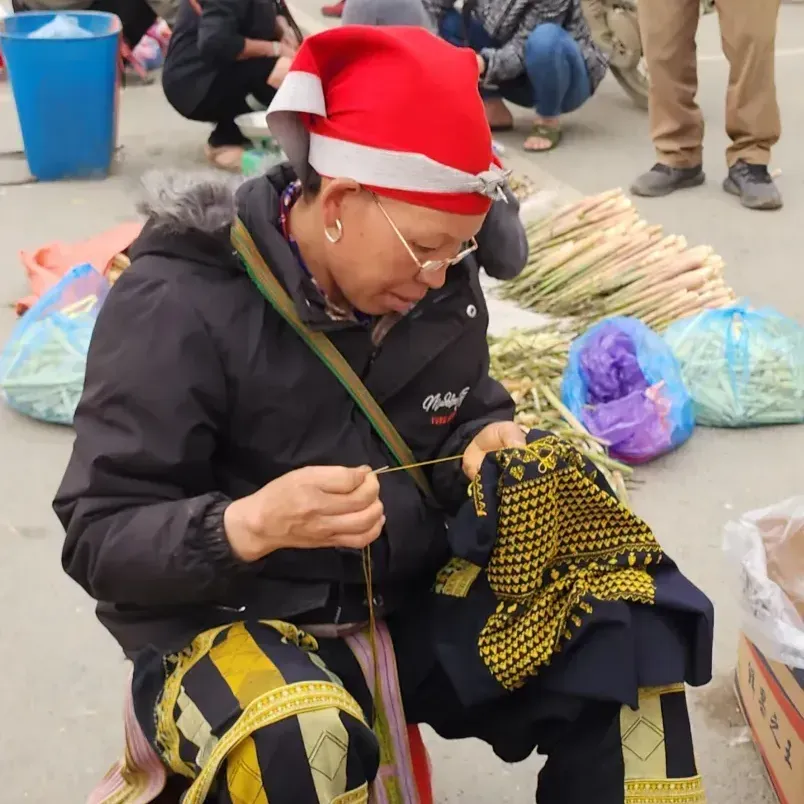
Etiquette
• Be mindful of people’s privacy when taking photos
• Taking photos of people – how would you feel with a camera in your face?
• Many people enjoy a selfie – say hello, ask for a group selfie, show them, then ask for a portrait – works a charm
• Learn a few local courtesies – always appreciated
________________________________________
Workshops
Stitch
• Needles and basics supplied, though your own needles can be easier on your hands
• Our hosts love seeing sewing kits and anything you’ve made – embroideries especially
Art / Journal / Sketch
• Your tutor will provide a suggested travelling kit before departure
________________________________________
Food
• Flavours and style differ slightly, but ingredients are familiar
• Food is central to culture – we are here to try it
• Group meals are shared, with a range of dishes and local specialties
• Vietnam: fresh, from-scratch cooking, easy to see what you’re eating
• Vegetarian: possible, though fish sauce is widely used
• Vegan: similar challenges
• Onion/garlic-free: difficult
• Wheat and/or dairy-free: generally manageable
________________________________________
Health
• Drink only filtered or bottled water – never tap, even for brushing teeth
• Aim for at least 2 litres of water daily
• Visit your doctor or travel specialist before departure
• Bring required medications and prescriptions
• Menstrual products – pads available, tampons harder to find
• Bring insect repellent
________________________________________
Money
• Notify your bank before travel (including transit stops)
• Travel cards can be useful – check they work before departure
• Carry a backup card, stored separately
• ATMs are widely available
• Cash – useful backup, exchange rates vary (ask hotel front desk)
• Credit cards – limited use, fees may apply
• KNOW YOUR CARD PIN – tap not used
Currency
• Vietnamese Dong
________________________________________
Shopping
• There are treasures to find – and it supports the local economy
• Bargaining is common in markets – prices are negotiable
• NGOs and social enterprises usually have fixed prices
________________________________________
Suitcase
• Start with a medium suitcase and bring a soft bag for extra purchases
• Large suitcases are harder to manage on the bus
Recommended size
• Medium: 60–70 cm (H) x 40–50 cm (W) x 25–30 cm (D)
• Approx. 24–28" x 16–20" x 10–12"
• Buying luggage on the road is not easy
________________________________________
Weather
• Warm days, cooler mornings and evenings
• Light rain possible – bring an umbrella or light rain jacket
________________________________________
Power
• 220–240 volts
• A universal adaptor is best (Vietnam commonly uses Type A, C and sometimes F plugs)
________________________________________
Clothing
• Lightweight, loose layers work best
• 3–4 outfits are usually sufficient
• Modesty: skirts/trousers mid-calf or longer, tops not too revealing
• Pack socks and a cardigan for cooler mornings
• Leave expensive jewellery at home
________________________________________
Shoes
• Comfortable walking shoes (sneakers or strapped sandals)
• Surfaces can be uneven – stability matters
________________________________________
Laundry
• Any 2-night stop is a good opportunity
________________________________________
Fitness
• Frequent stops, getting on/off the minibus
• Walking required – often 1–2 hours at a time
• Expect steps and uneven ground
________________________________________
Begging
• Best not to encourage
• Avoid giving sweets or gifts to children
• If you wish to give, we can pass items to a school
• A small gesture to elderly or disabled people can be appropriate
________________________________________
Tipping
• Customary – carry small change
• Small services (bags, tea, laundry) – small tips appreciated
• Guides, performers, photos – tip as you feel appropriate
• Set something aside for your guide and driver
• Rough guide: the equivalent of a coffee per day, per person
• A group collection at the end works well
________________________________________
Environment
• Be mindful – conserve water and power
• Take rubbish with you where possible
• Say no to plastic
• Bring a cloth carry bag