Malaysia - Slow Travel + Food Adventure
Malaysia is a melting pot of flavours and tropical abundance. Set on the Straits of Malacca, it has been a crossroads of maritime trade since ancient times. Traders from many lands - India, China and Arabs have established bases here, and over time the cuisine evolved to reflect their tastes, techniques, and traditions.
8 - 19 June 2027
From
Duration
12 days /11 nights
Join us to explore this rich food culture through markets, kitchens, street stalls, and elegant dining rooms. Gather recipes, discover fragrant spices and tropical produce, forage ingredients from the jungle, and taste the extraordinary bounty of Malaysian cuisine.
To build our appetites, we’ll also take time to explore the vibrant culture and landscapes of Malaysia, with opportunities to encounter orangutans and other remarkable wildlife along the way.
Day 1 - Georgetown, Penang, Malaysia ( 8 June 2027)
Arrive to Penang International Airport, Georgetown, Penang, Malaysia
NOTE we will collect you from the airport whatever time you arrive - day or night.
There is no programme on Arrivals Day - our guests come from all over the world.
Hotel check-in time is in line with hotel policy, typically 2.00 pm.
Day 2 - Georgetown (9 June)
Indian traders have been coming to this region for close to a thousand years, with Chinese merchants arriving many centuries ago as well.
Arab traders were visiting Southeast Asia from the 7th and 8th centuries, establishing trading links long before the widespread adoption of Islam, and later played an important role in sharing the religion through the region.
In the late 19th and early 20th centuries, large-scale migration of Chinese and Indian labourers took place under British colonial rule, further shaping Malaysia’s cultural landscape.
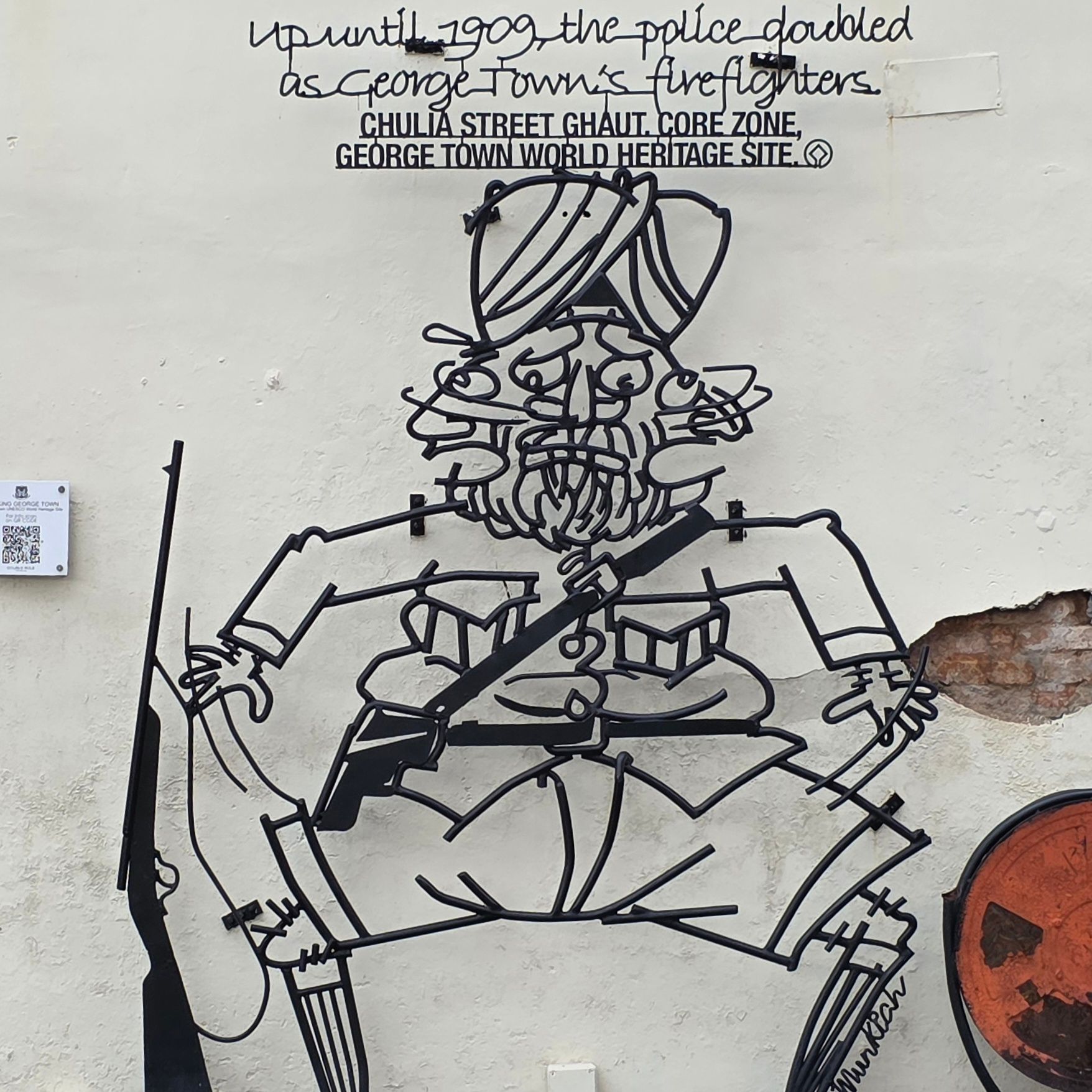
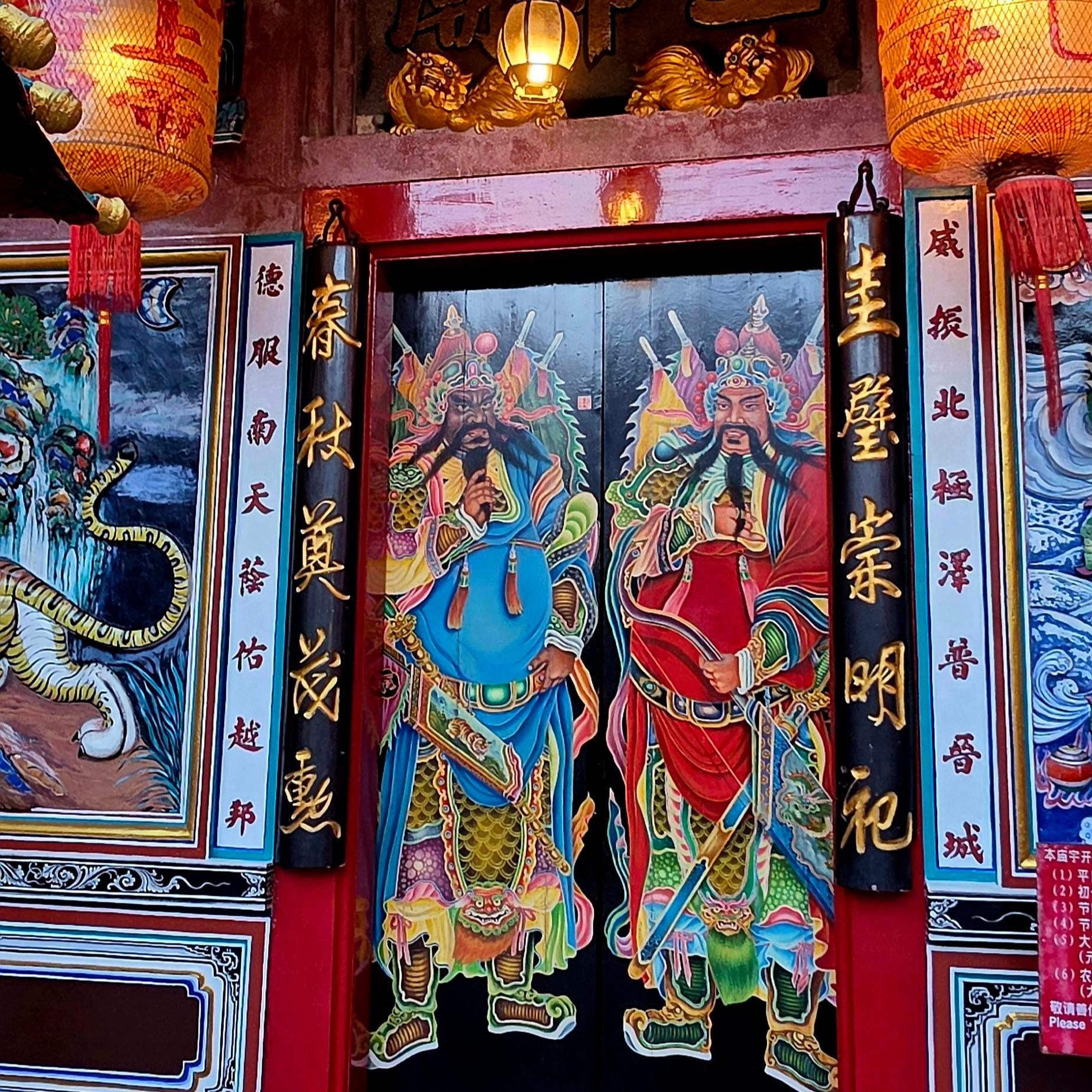
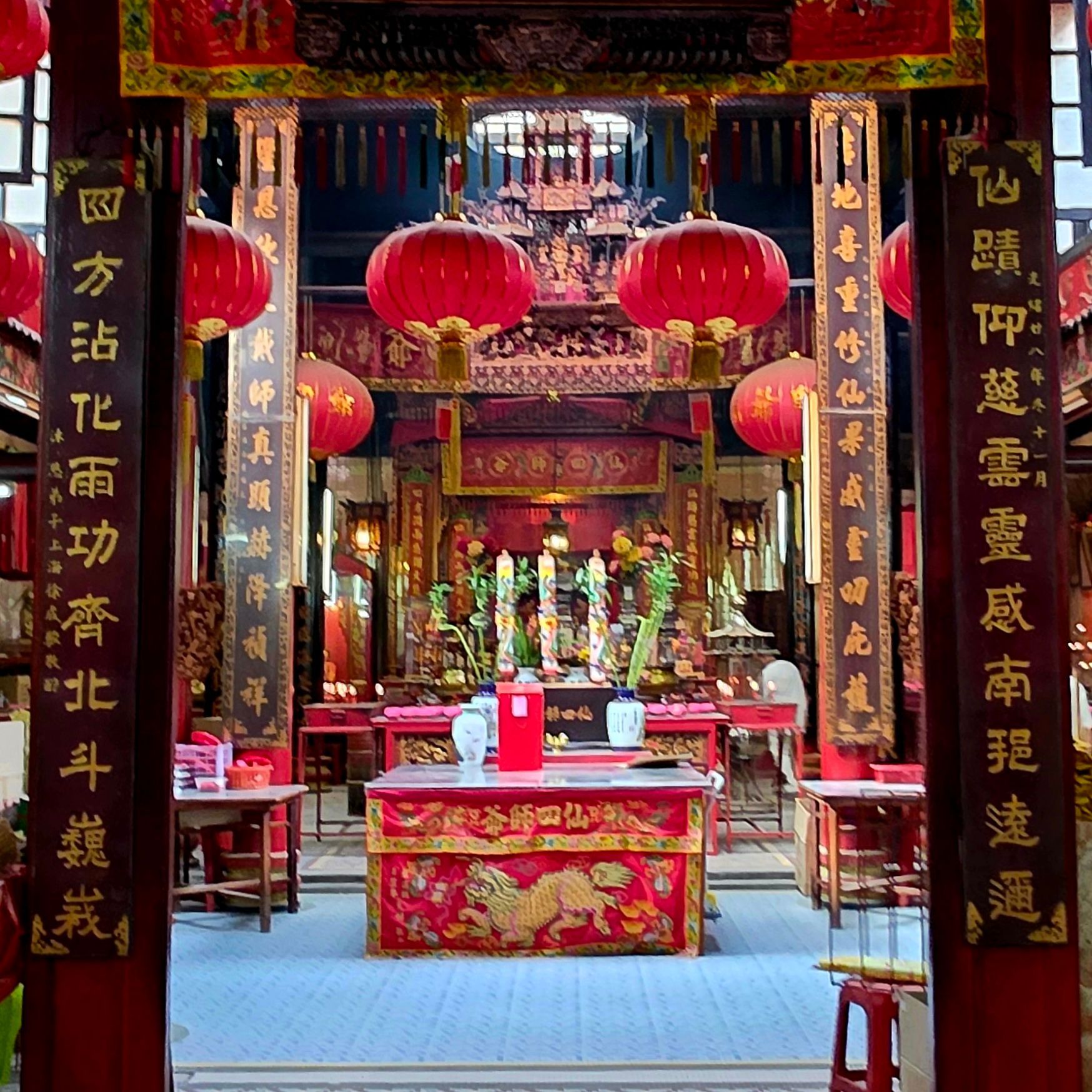
The streets of George Town offer a fascinating blend of Malay, Chinese, and Indian influences, and the city is well known for its spirit of religious harmony. This is beautifully illustrated along the Street of Harmony, where places of worship for Islam, Taoism, Hinduism, and Christianity stand close together.
We begin our exploration of Malaysia with a walking tour of Penang, uncovering the layers of history that also help explain its remarkable food culture.
Lunch will be a spectacular yum cha.
After an afternoon break, we'll head out again and join the locals for one of Malaysia's favourite pastimes, an evening wander through the night market. We'll graze our way from stall to stall, tasting local favourites, chatting with vendors and soaking up the fabulous atmosphere.
Inc B,L
Day 3 - Georgetown (10 June)
Today we step away from the bustle of George Town and head to a spice garden. It is a wonderful chance to learn about the spices that first drew traders to these shores and helped shape the rich flavours of Malaysian cooking.
We will cook together, gather recipes, taste fresh ingredients and enjoy preparing a delicious lunch surrounded by tropical abundance.
Back in town we'll visit the beautiful Pinang Peranakan Mansion. Once the home of a wealthy Chinese-Malay merchant family, it offers a fascinating glimpse into the life, style and traditions of the Peranakan community. The house itself is quite something.
Inc B,L
Day 4 - Ipoh (11 June )
Today we travel to Ipoh, a city that flourished during Malaysia's great tin mining era and is famous for its heritage streets, excellent Chinese food and legendary white coffee. We'll stop for a Chinese lunch and, if you wish, a cup of the city's famous brew.
We then visit Sam Poh Tong, Malaysia's oldest cave temple, built within a spectacular limestone cave. As it remains an active place of worship, please dress modestly with shoulders and knees covered.
Inc B,L
Day 5 - Brinchang (12 June)
In the morning we will continue into the cool, misty Cameron Highlands, developed by the British in the early 1900s as a hill station.
A day to explore the local area and explore a tea plantation.
The area is picturesque and well loved for hiking, bring your walking shoes and we could visit some Falls or take it easy and relax.
The afternoon can bring showers so a rain jacket or umbrella is a good idea.
B,L
Day 6 -Kuala Lumpur ( 13 June)
Kuala Lumpur is often spoken of as a street food mecca, with a vibrant food scene shaped by the many cultures that call the city home.
From bustling hawker stalls and late-night markets to long-loved local favourites, it is a place where eating well is part of daily life.
Le'ts head to the Big Smoke for a few days of exploration and tasting our way through its rich intermingled history.
Arriving in Kuala Lumpur, we'll visit the Islamic Arts Museum Malaysia. It is a beautiful, peaceful museum with an inspiring collection and a wonderful introduction to Malaysia's Islamic art and culture.
And yes... there is also an excellent café. The perfect place to stop for lunch before we continue our explorations.
If time permits The Botanical Gardens are nearby and superb - perhaps we will have time and energy for a stroll.
We will settle into our hotel near
Chinatown before heading out for dinner at one of Kuala Lumpur's favourite Nyonya restaurants.
Housed in a beautifully restored old shophouse, it is a wonderful place to begin exploring the rich blend of Chinese and Malay flavours that make Nyonya cuisine so distinctive - expect fragrant herbs, gentle spice, plenty of flavour.
Inc B,D
Day 7 - Kuala Lumpur (14 June)
Today is an early start as we head to the big fresh food market. Our guide will lead us through the bustling stalls, introduce us to some of the vendors, explain unfamiliar ingredients and, quite possibly, encourage us to sample a few local treats along the way.
From there we transfer to our cooking school, where we'll roll up our sleeves, cook together and enjoy the lunch we've created ourselves.
Free time this afternoon to wander or lounge by the pool.
Inc B,L
Day 8 - Kuala Lumpur (15 June)
A slower start this morning. We'll hop on the metro and head to Kuala Lumpur's iconic Petronas Twin Towers. We've all seen them in the movies... but today we'll be standing beneath them.
Will you scale the outside like the movie heroes, or join us in the lift for the rather easier trip to the top and some spectacular views?
This afternoon we'll join a local guide for a walking food tour through one of Kuala Lumpur's great eating neighbourhoods. This is not the polished tourist version. These are real local streets where Chinese families built a remarkable food culture, and where people still come simply because the food is so good. We'll wander, taste, chat and gain a real insight into everyday life in KL, one delicious stop at a time.
inc B,D
Day 9 - Kuching (16 June)
This morning we fly to Kuching. Your flight is included, along with a 20 kg (44 lb) checked luggage allowance.
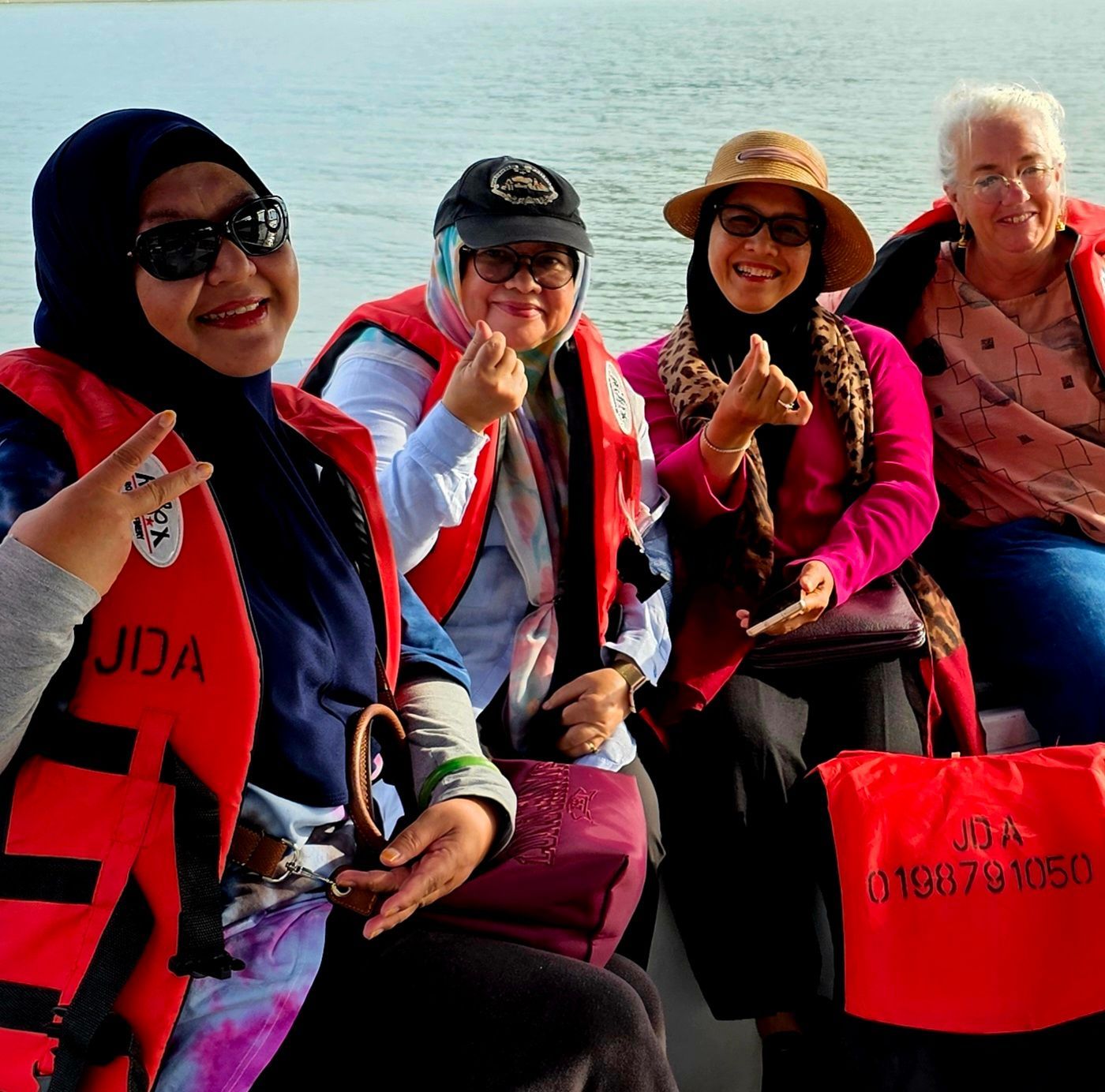
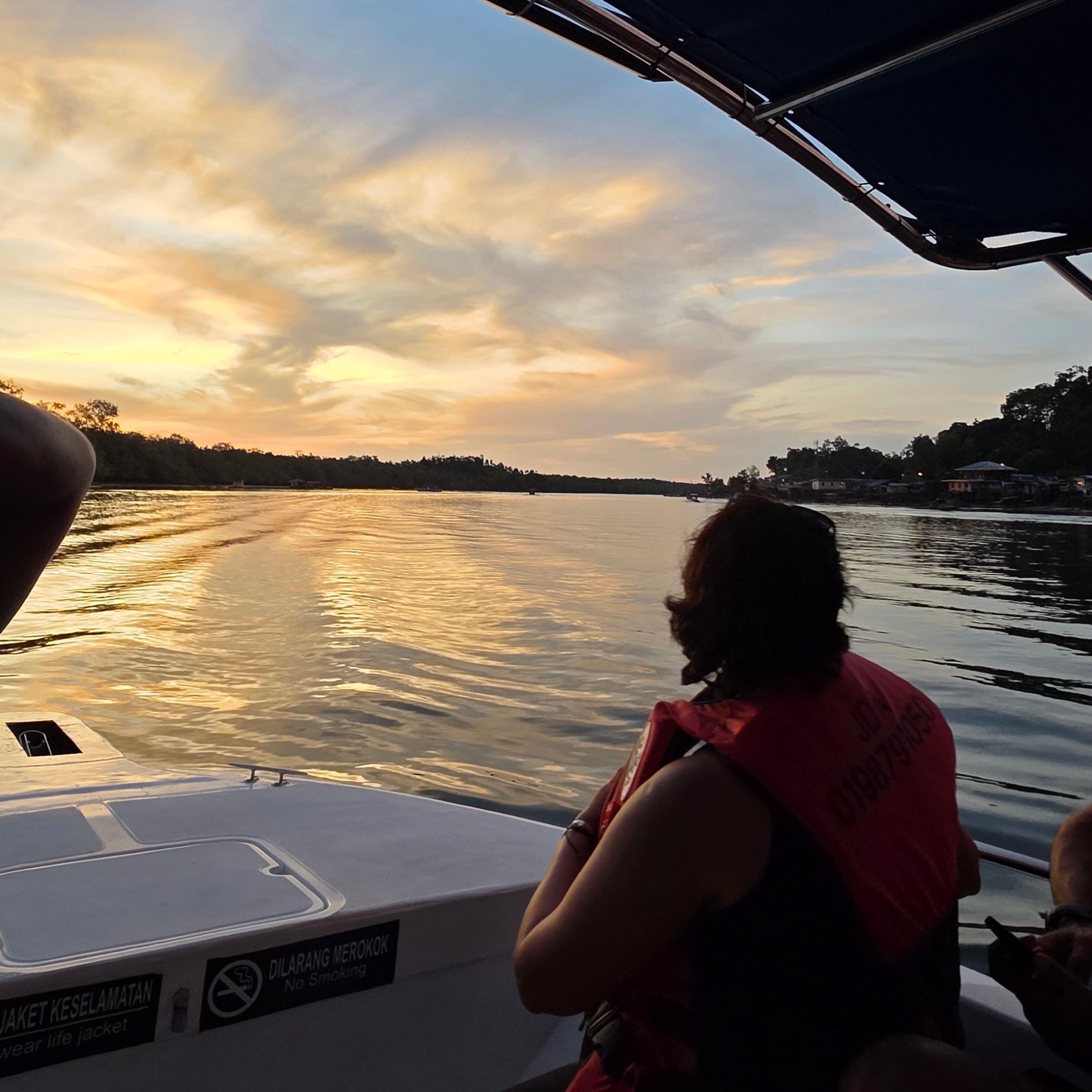
We'll be staying by the beach, so there is time for a relaxed afternoon before we head out on our evening dolphin cruise. There is usually a saltwater crocodile keeping a watchful eye on the fish farm at the river mouth, and if luck is on our side, we'll finish the evening with the magic of fireflies lighting up the riverbanks.
B,L,D
Day 10 - Kuching (17 June)
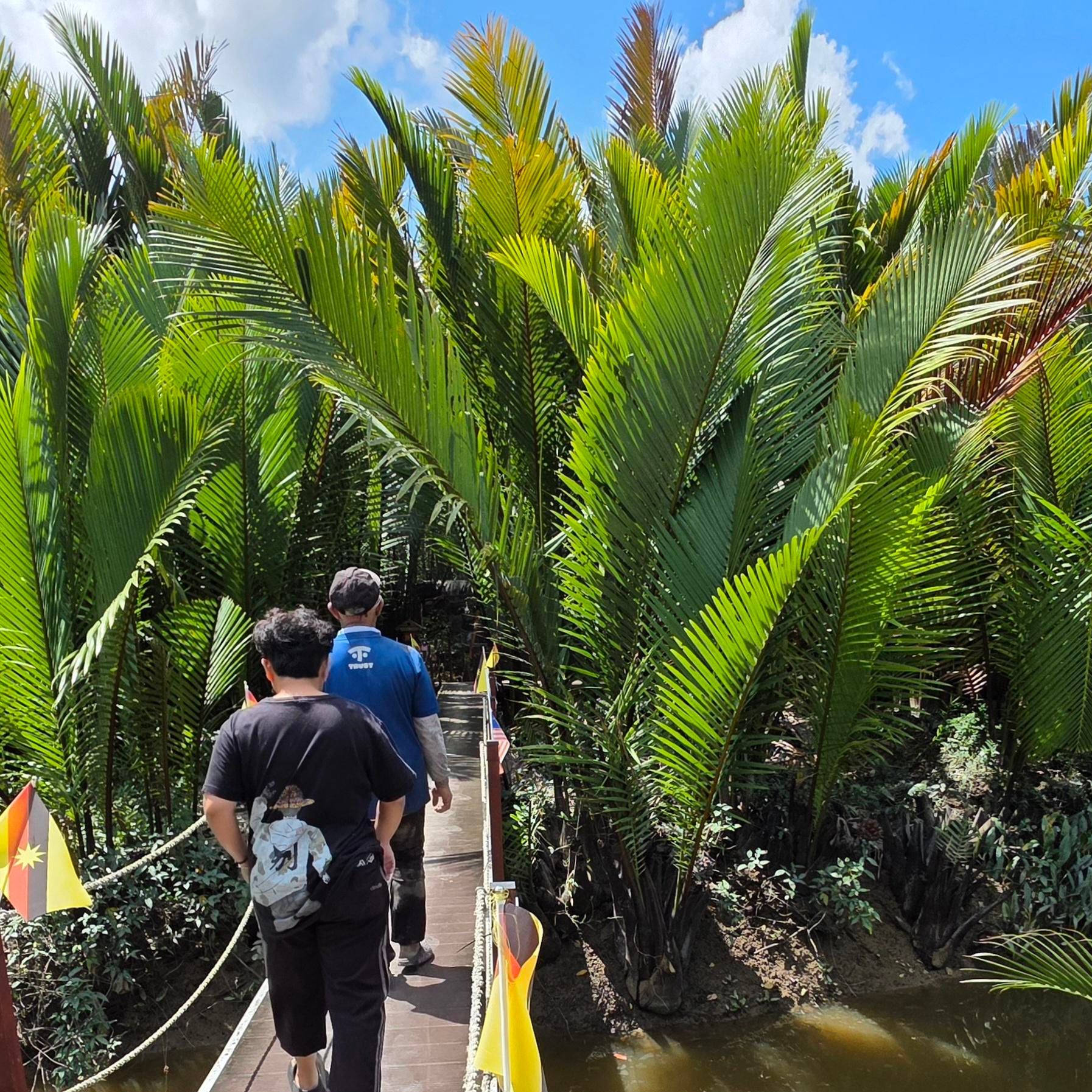
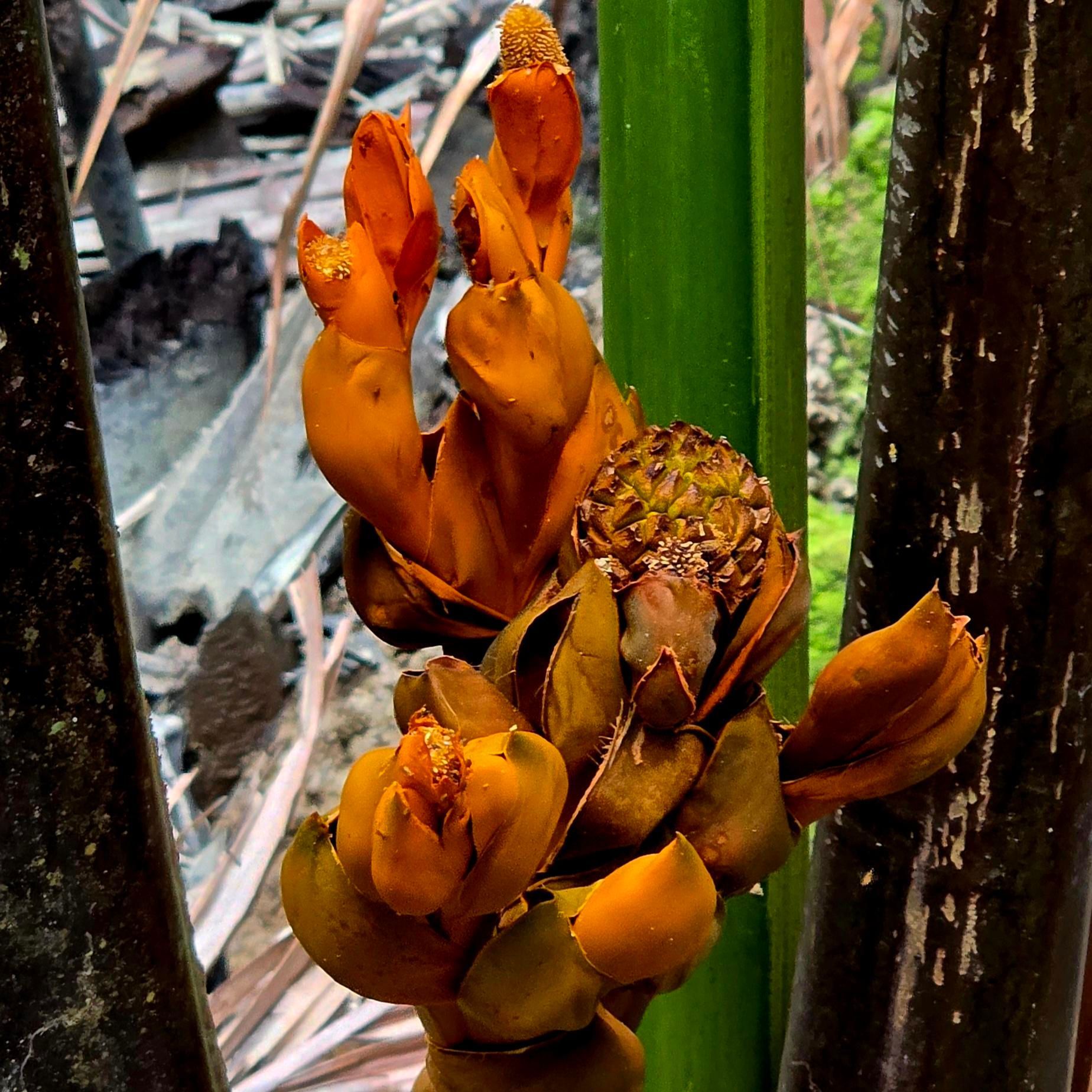
Leaving the beach behind, we'll visit a local family who produce Gula Apong, a rich palm sugar made from the sap of the nipa palm. It is unbelievably good. You could almost call it the nectar of the gods.
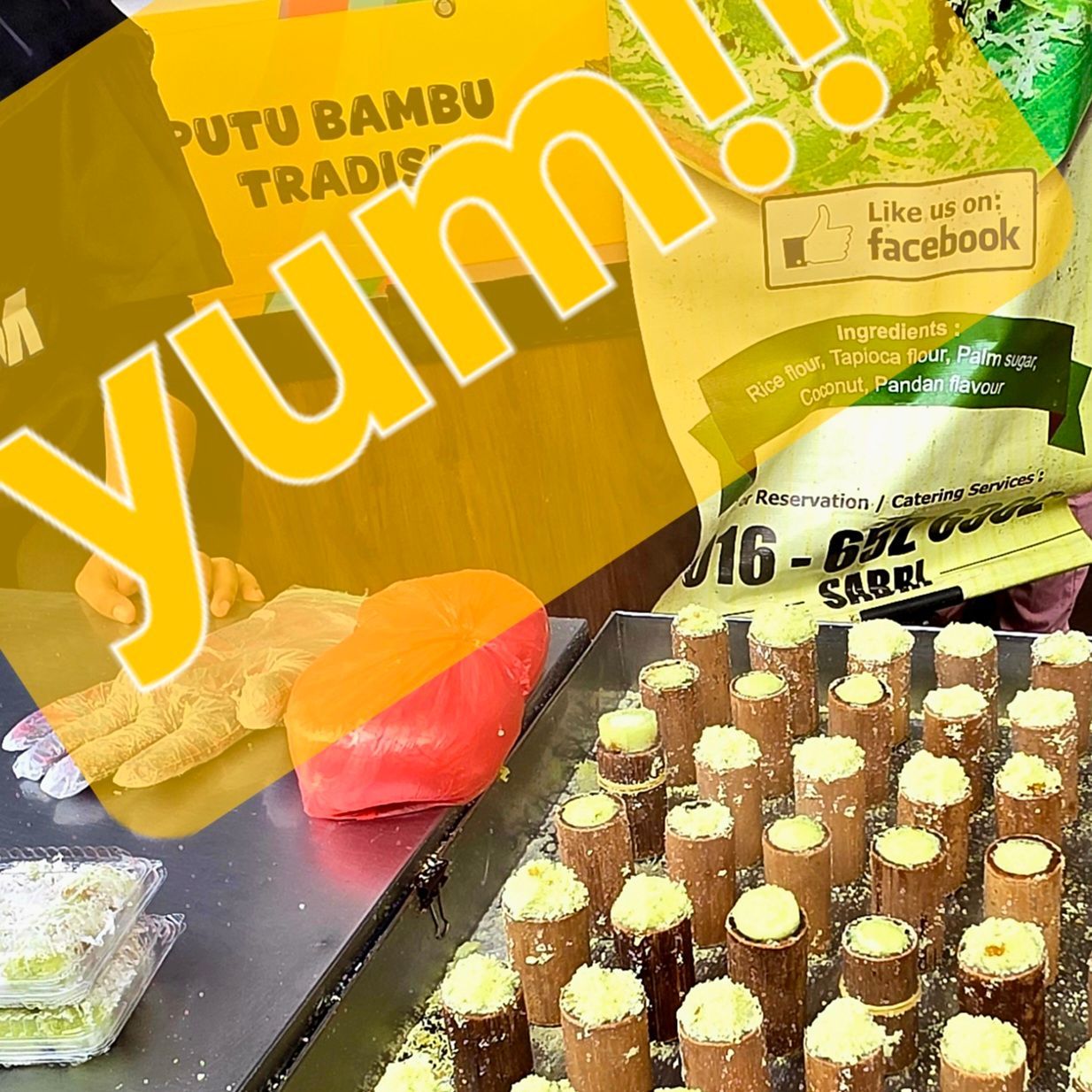
If we're lucky, our host Rohana will have made a batch of her Kuih Penyaram for us. These little palm sugar cakes have crisp, golden edges and a soft, fluffy centre, and are one of Sarawak's much-loved traditional treats. They are ridiculously moreish, so be warned.
Later in the day the Borneo Cultures Museum houses a fantastic display of exhibits that cover the region's culture, history, and natural heritage.
Kuching's riverfront is one of those places made for an evening stroll. Let's wander along the waterfront, watch the river life drift by and find somewhere good to settle in for dinner together.
Inc B, L, D
Day 11 - Kuching (18 June)
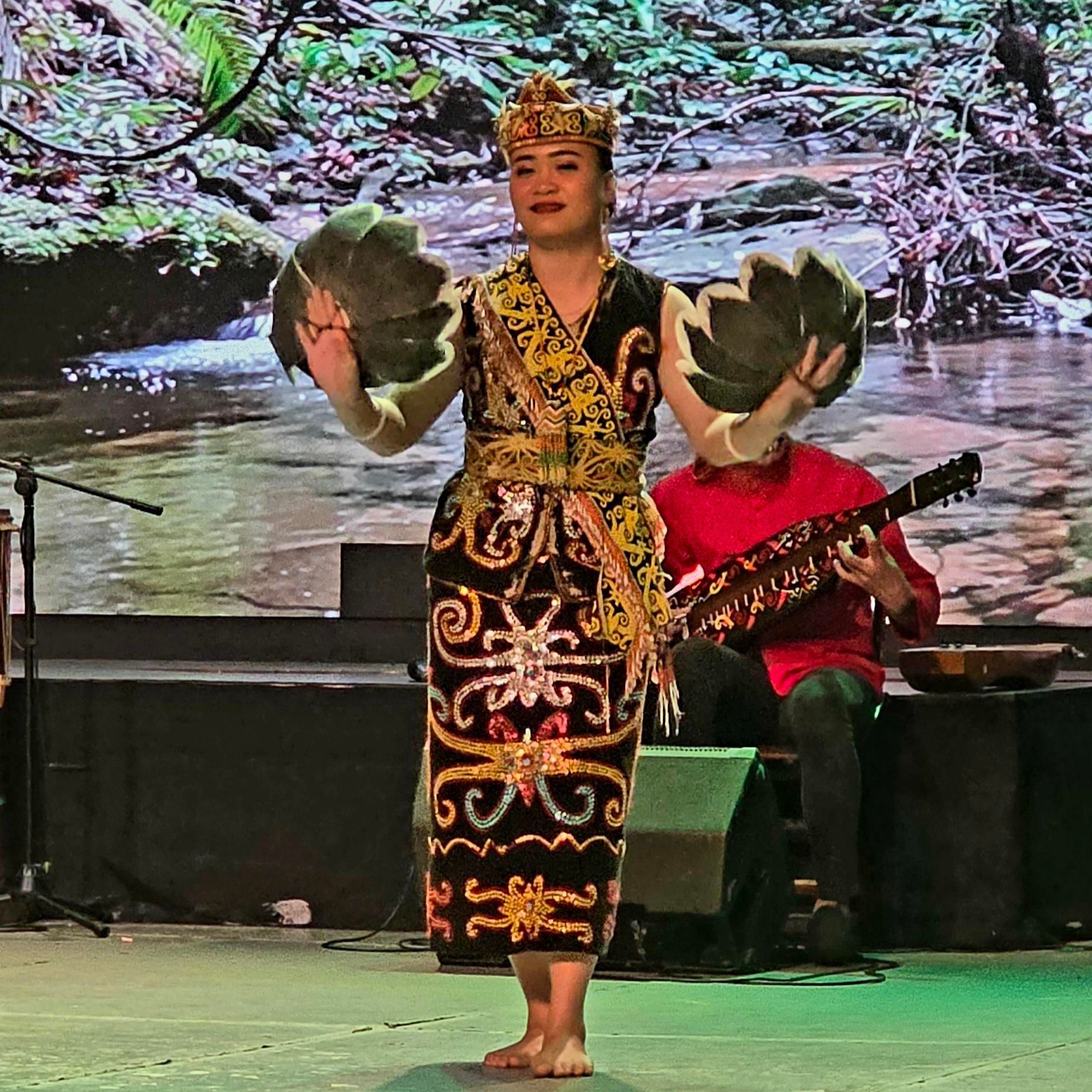
Today we head into the countryside to visit a traditional Bidayuh longhouse. The Bidayuh, once known as the Land Dayak, have a rich cultural history. Yes, they were once headhunters... but preserving heads is definitely not on today's activity list! I simply could not resist the joke.
We'll spend time with the community, visit a local rice wine maker for a tasting, then head into the forest with a local family to gather ingredients before cooking and sharing lunch together.
Semenggoh Nature Reserve
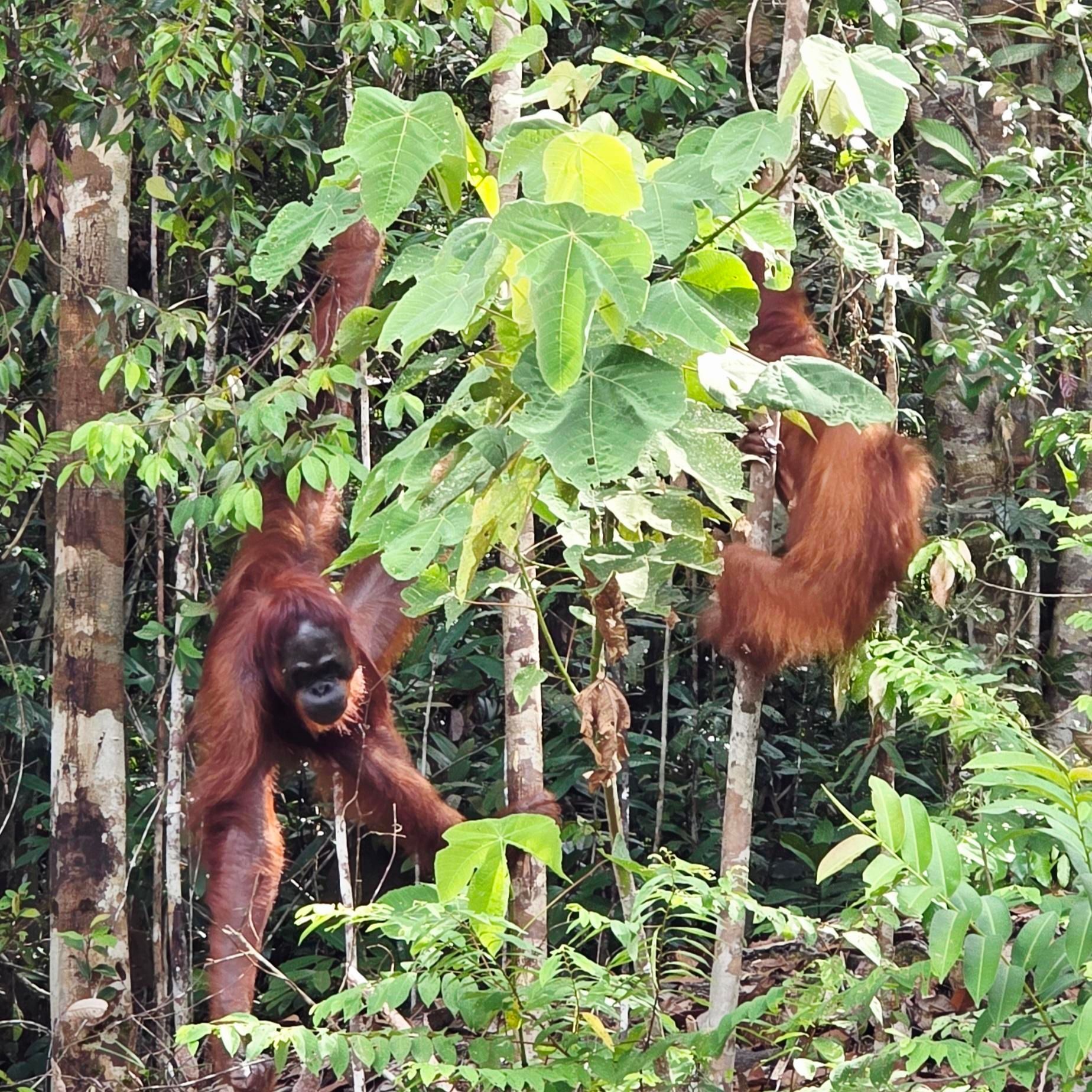
This afternoon we visit Semenggoh Nature Reserve, one of the best places in Borneo to see rehabilitated orangutans living freely in the surrounding rainforest. We'll arrive in time for the afternoon feeding and, with a little luck, some of these magnificent animals will wander in from the forest.
Farewell Dinner
Our final evening together calls for good food and good company. We'll gather at a local restaurant celebrating the flavours and produce of Borneo, share our favourite moments from the journey and no doubt start talking about what we'll be cooking once we get home.
Inc B,L,D
Day 12 - Departures (19 June 2027 )
Depaturers from Kuching International Airport, Sarawak, Malaysia
We will drop you to meet your flight anytime day or night.
Hotel check-out time is in line with hotel policy.
inc B
Fitness
NOTE:
Rumah Garis is a remote village - our group will sleep in the Chiefs House in a communal room.
Thyere is power to charge your gear, internet is not reliable.
Physical Fitness for Sightseeing
This adventure is designed for enthusiastic, active travellers with a good general level of health and mobility.
To make the most of your experience, you’ll need to be comfortable walking for 3 to 4 hours a day - sometimes over uneven ground, up hills, and a few flights of stairs.
Getting in and out of local transport and navigating occasional over-the-bath showers may also be part of the journey.
If you’re up for a bit of daily movement and love immersing yourself on foot, you’ll thrive on this tour.
Just a heads-up - it is not be the best match for those who like to take things very slowly or need lots of rest stops along the way.
NOTE: during our village stay we are guests of the chief and will sleep in the Long House communal style.
There are no single bed rooms - we will have a comfortable mattress and fresh clean bed linen.
This is a remote village - there is access to elecrticity to charge devices, internet is not reliable.
Destination Details
NOTE - This is a food-centred tour, and we plan to sample the full range of Malaysian delicacies. As such, it might be a challenge to cope with dietary restrictions and allergies - please talk to us first to make an informed choice.
Etiquette
• Be mindful of people’s privacy when taking photos
• Taking photos of people – how would you feel with a camera in your face?
• A good approach – say hello first; if it feels right, ask for a photo
• Learn a few local courtesies – always appreciated
• Dress modestly when visiting mosques and religious sites (shoulders and knees covered)
• Shoes off when entering homes and many religious spaces
________________________________________
Workshops
• Small sewing kit – needles are supplied, though your own may suit you better
• Our hosts enjoy seeing your sewing kit and anything you’ve made
Art / Sketch
• A suggested materials list will be provided for sketching tours
________________________________________
Food
• Food is central to culture – we are here to try it
• Group meals are shared, with a range of dishes and local specialties
• A mix of Malay, Chinese and Indian influences – lots of variety
• Vegetarian – generally easy, especially in towns and cities
• Vegan – possible with some awareness (fish sauce, shrimp paste used in some dishes)
• Onion/garlic-free – can be challenging
• Wheat-free – manageable; rice is a staple
• Dairy-free – easy; dairy is not central to most meals
• Breakfast varies – often savoury (rice, noodles), not just bread
________________________________________
Power
• 240 volts
• UK-style 3-pin plug (Type G)
________________________________________
Health
• Drink filtered or bottled water – avoid tap water for drinking
• Aim for at least 2 litres of water daily
• Visit your doctor or travel specialist before departure
• Bring required medications and prescriptions
• Menstrual products – widely available
• Bring insect repellent and sunscreen
________________________________________
Money
• Notify your bank before travel (including transit stops)
• Travel cards can be useful – check they work before departure
• Carry a backup card, stored separately
• ATMs are widely available
• Cash – useful for markets and smaller vendors
• Credit cards – widely accepted in cities, less so in smaller places
Currency
• Malaysian Ringgit
________________________________________
Shopping
• There are treasures to find – textiles, batik, crafts, local products
• Fixed pricing is common in shops and malls
• Bargaining may happen in markets, but less intense than in some countries
________________________________________
Suitcase
• Start with a medium suitcase and bring a soft bag for extra purchases
• Large suitcases are harder to manage
• Buying luggage on the road is possible in cities, but not always convenient
Recommended size
• Medium: 60–70 cm (H) x 40–50 cm (W) x 25–30 cm (D)
• Approx. 24–28" x 16–20" x 10–12"
________________________________________
Weather
• Warm and humid year-round
• Expect heat and humidity most days
• Occasional tropical rain – an umbrella or light rain jacket is useful
________________________________________
Clothing
• Lightweight, breathable layers work best
• 3–4 outfits are usually sufficient
• Modesty: generally relaxed, but dress more conservatively in rural areas and religious sites
• A light scarf is useful for sun, air conditioning, or mosque visits
• Air conditioning can be cold indoors – a light layer helps
• Leave expensive jewellery at home
________________________________________
Shoes
• Comfortable walking shoes (sneakers or sandals)
• Easy to slip on/off shoes are useful for temple and home visits
________________________________________
Laundry
• Any 2-night stop is a good opportunity
________________________________________
Fitness
• Frequent stops, getting on/off transport
• Walking required – often 1–2 hours at a time
• Heat and humidity can make walking feel more demanding
________________________________________
Begging
• Not a major feature, but best not to encourage
• Avoid giving sweets or gifts to children
• If you wish to give, we can direct it appropriately
________________________________________
Tipping
• Not expected, but appreciated
• Small services (bags, housekeeping) – small tips welcome
• Guides and drivers – tip as you feel appropriate
• A small group contribution at the end for driver/guide works well
________________________________________
Environment
• Step lightly – conserve water and power
• Take rubbish with you where possible
• Say no to plastic where you can
• Bring a cloth carry bag
Group Size
8 - 14
Booking Status
Bookings Open
Tour Location
Malaysia
Tour Information
Tour Pricing
- Share with a Friend: AUD $6850 each when booking two places at the same time, twin or double room share.
[AUD $6850 = approx USD$4760]
- Mention if you are happy to share if someone is looking for a roommate.
- Private Room: Add AUD $1050
- Deposit: AUD $2700 due today secures your place.
- Early Bird Bonus: Book by 15 Nov 2026 to receive a AUD $200 rebate.
- Triple Treat Bonus? Every 3rd trip earn AUD $300 discount and our appreciation.
Destination Notes-
to help you prepare.
Inspirational Reading List.
Inclusions
Expert instruction by local artisans & cooks
Solo Traveller friendly
Well-chosen accommodation
Fully hosted by our CAS teams with local guides
Carefully curated itinerary
DOMESTIC FLIGHT
Airport pick up & drop off
All breakfast and most other meals
Exclusions
International Flights
Visa, if needed
Travel Insurance - read more
Laundry
Gratuities